Spanish AgriTech Startup Grodi Brings Autonomous Robotics to Mediterranean Greenhouse Farming

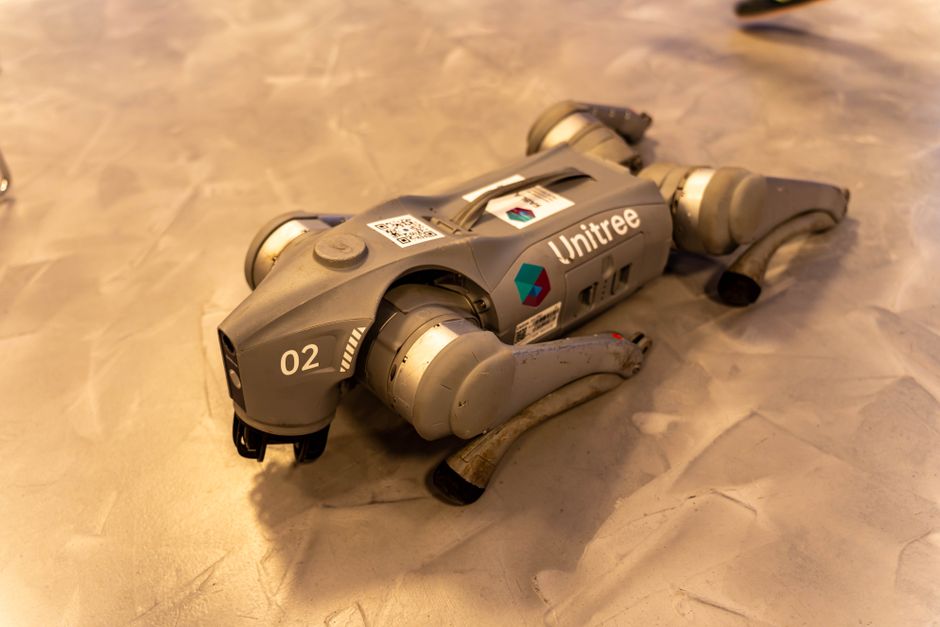
Grodi is an AgriTech startup that creates proprietary autonomous robots, artificial vision systems and advanced data analysis tools to monitor the health and yield of crops. The solution is adapted to Mediterranean greenhouse environments, detects risks early, generates geolocated maps and helps reduce losses, optimise resources and improve agricultural profitability.

Mistral AI Unveils €830M Infrastructure Expansion to Build European AI Compute Powerhouse

Mistral AI, a French AI startup, unveiled a major infrastructure push to deliver 1 GW of European AI compute by 2030. The plan includes regional inference endpoints, a premium SLA‑backed tier, and long‑term compute contracts with European enterprises, backed by €830 million of debt financing. The move positions Mistral as a sovereign AI infrastructure provider, complementing its partnership with Microsoft and its open‑model hosting strategy.

Austrian Startup Efferon Expands Blood-Purification Technology After Securing Paediatric Approval in Europe

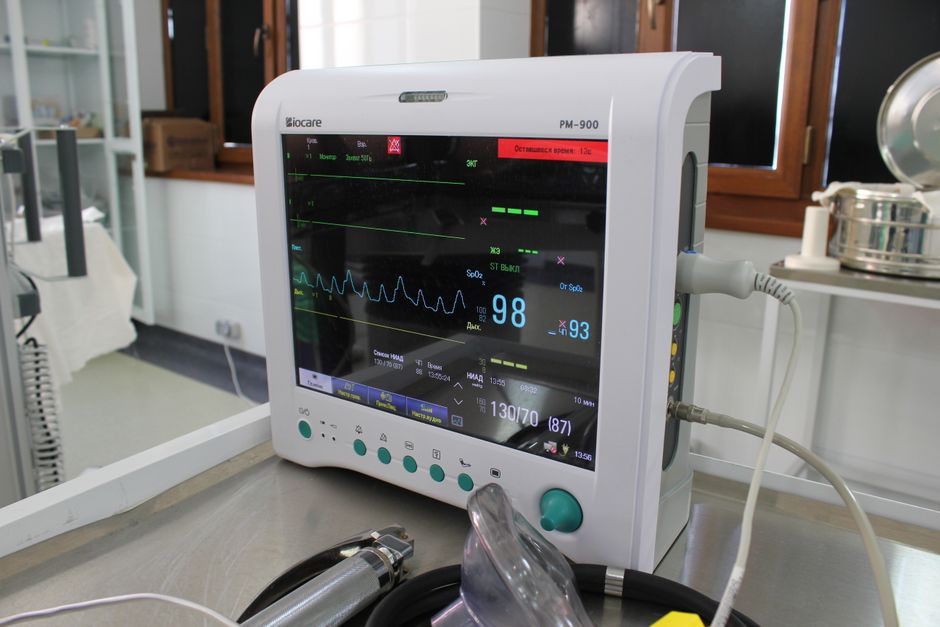
Austrian startup Efferon, founded in 2016, creates blood‑purification cartridges that remove bacterial toxins and inflammatory mediators to treat sepsis. After receiving European CE MDR approval for its adult device in 2024 and paediatric certification in 2026, the devices have been used in over 25,000 treatments in 44 countries, generating more than €1 million in revenue. Efferon is now pursuing US regulatory pathways, expanding into China, and developing an outpatient solution for post‑sepsis and chronic inflammation.

Dutch Telemedicine Platform DokterOnline Boosts Engagement 15% Through Visitor Behavior Personalization

DokterOnline, a Dutch e‑health platform, used visitor‑behavior data to create five behavioral segments and adjusted a few homepage elements (hero, featured treatments, recommended articles) for each segment. The modest changes boosted overall visitor engagement by over 15% and increased the click‑through rate of personalized content by about 83%, demonstrating that small, data‑driven personalization can significantly improve user experience without large technical investments.