Romanian Startup Symbiote BCI Brings Brain-Computer Interface Tech to Automotive Safety and Defense
Symbiote BCI, a Romanian startup founded by 24-year-old Mihai Simedrea, develops non-invasive neurotechnology to monitor brain activity for applications in automotive safety (e.g., detecting driver fatigue) and defense (e.g., drone operator training). The team uses dry electrodes and 3D-printed headsets, sourcing components from the US and manufacturing in China. The startup is self-funded and operates alongside founders’ full-time corporate jobs.
Swedish Mental Health Platform Meela Closes Funding Round as Founder Welcomes Newborn

Meela, a platform connecting people with therapists, doubled its revenue in the previous year and secured a funding round while its founder was in the delivery room. The company is backed by prominent investors and highlights the stigma around investing in founders who are building families while scaling their businesses.

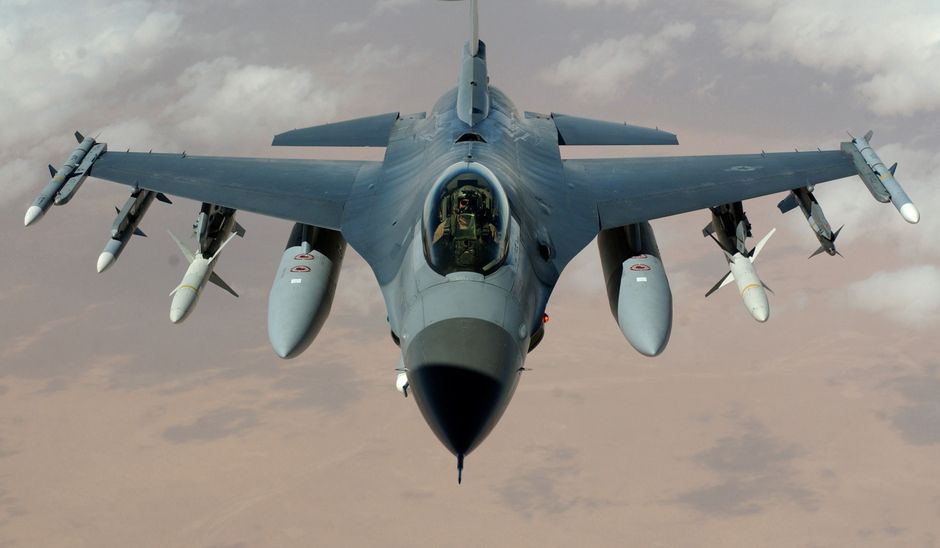
Ukrainian Defense Tech Company Fire Pont Ramps Up Missile Production With European Component Partnership

Fire Pont, a Ukrainian defense technology company, is advancing its missile defense production capabilities through partnerships with European firms like Hensoldt. The company has begun manufacturing missiles pending the acquisition of guidance systems and has secured agreements for critical components.

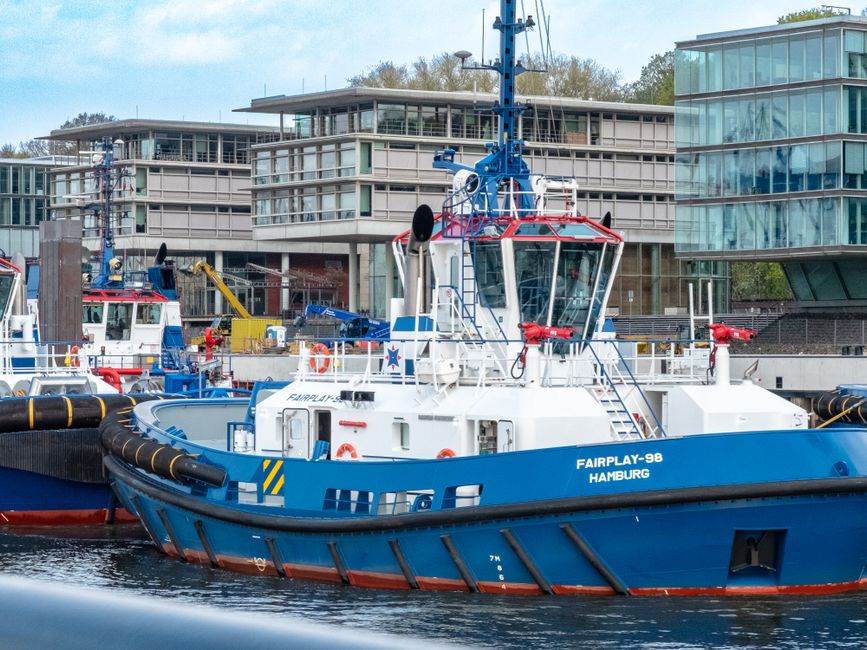
Italian Cleantech Startup Nlcomp Secures €1.15 Million to Scale Sustainable Maritime Manufacturing

Nlcomp, a Cleantech startup focused on sustainable maritime solutions, secured €1.15 million in funding led by Ocean to expand into the workboat sector. The investment will support the launch of its new rFactory in Monfalcone and the development of recyclable composite materials for low-impact maritime vessels.

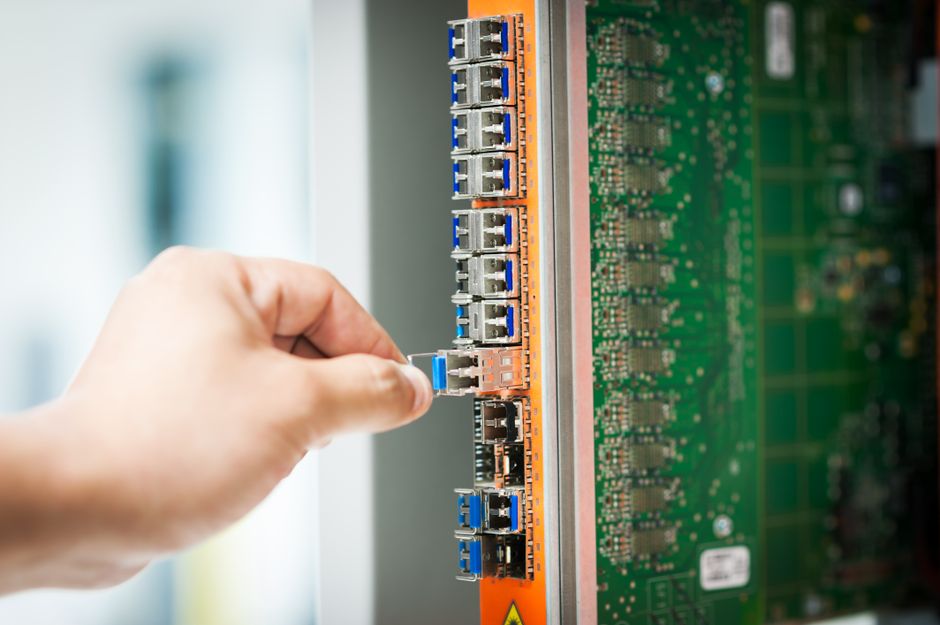
QuantumDiamonds Secures €15 Million to Scale Quantum Sensing Technology for Semiconductor Testing

German startup QuantumDiamonds, spun out of the Technical University of Munich, raised €15 million in equity funding to accelerate growth. The round complements €76 million in EU-backed non-dilutive state funding, totaling €91 million. Funds will scale production and support a new testing facility in Munich, aligning with EU efforts to reduce reliance on US technology.