Lauxera Oversubscribes 520 Million Euro Fund to Support European Medtech Expansion in US

Lauxera has oversubscribed a 520 million euro fund aimed at accelerating European medtech companies’ expansion into the United States market.

Lauxera has oversubscribed a 520 million euro fund aimed at accelerating European medtech companies’ expansion into the United States market.

Monzo, the London-based digital bank, has achieved £1bn in gross profit for the first time and announced its third consecutive year of profitability with a 20% rise in adjusted profit before tax to £172.6m. The fintech is expanding aggressively across Europe, having launched in Ireland in April with 100k customers on the waitlist and announcing Spain as its next market with offices in Barcelona and Madrid. The bank recorded 3m new customers this year and saw business banking customers grow 45% to over 905k.

Paris-based Mistral has acquired Austrian startup Emmi AI, which develops foundational AI models trained with physics laws to simulate complex engineering processes. This is Mistral’s second acquisition in three months, following the February acquisition of French startup Koyeb. Emmi, created a year ago, raised a €15m seed round and has over 30 employees who will join Mistral. The acquisition demonstrates Mistral’s shift toward vertical specialization in industrial AI.

The European Commission selected Swedish investment firm EQT to manage its new €5bn Scaleup Europe Fund focused on European deeptech startups. EQT won the mandate over finalists Atomico and other competitors. Around €2.5bn has been committed as of year-end, with €1bn from the EIC and €1.5bn from private limited partners including Novo Holdings, CriteriaCaixa, Santander/Mouro Capital, APG Asset Management, and the Wallenberg family.
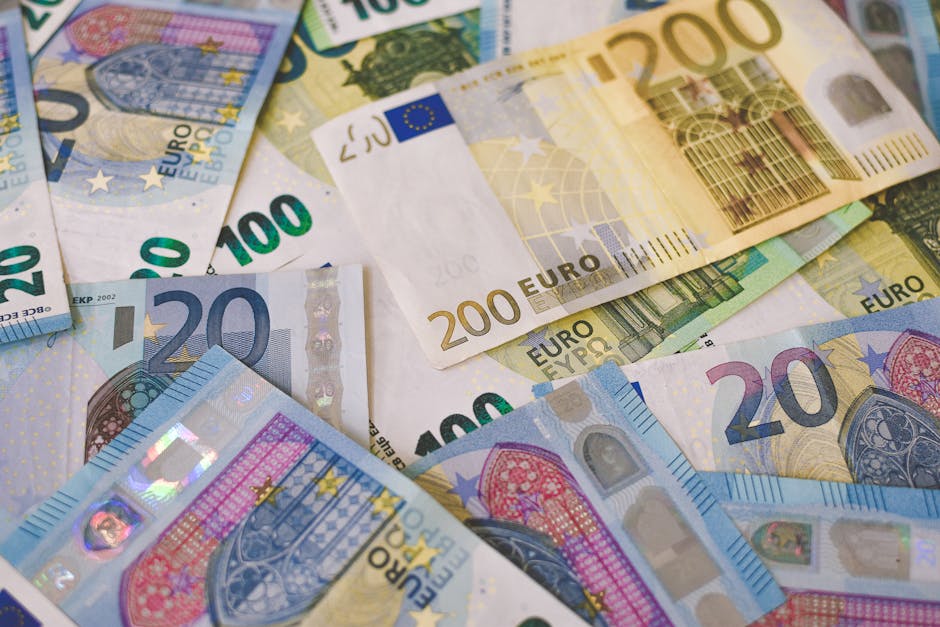
Commerzbank formally rejected UniCredit’s takeover bid valued at €39 billion, claiming it undervalues the bank by 5.6% and carries significant risks. The board recommended shareholders reject the stock exchange proposal, citing vague integration plans and unrealistic synergy estimates. Commerzbank is promoting its independent ‘Momentum 2030’ strategy instead.
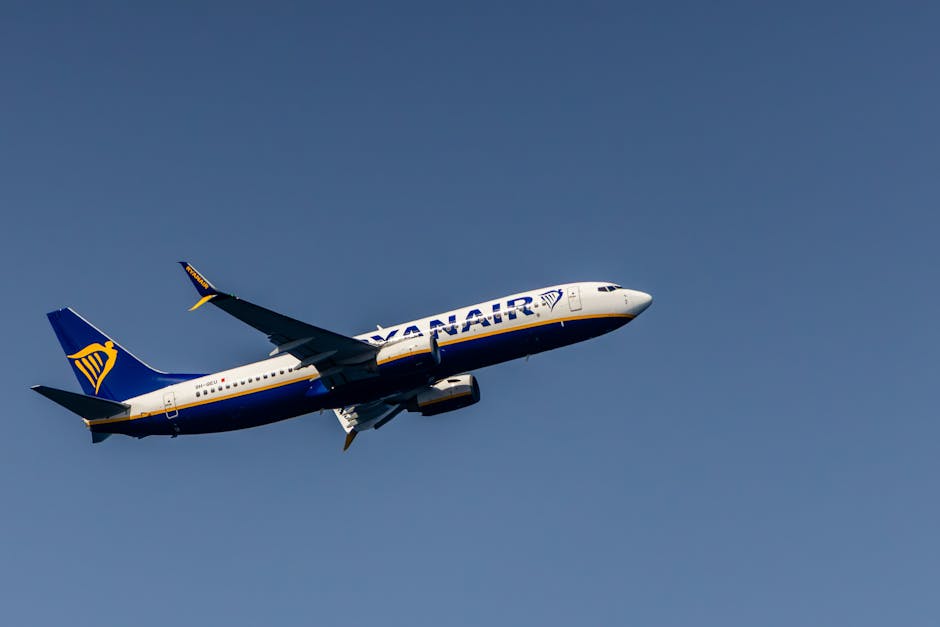
Ryanair announced record net profits of €2.26 billion for fiscal year 2026 (ending March 31), a 40% increase driven by reduced expenses and higher revenues from passenger growth and fares. The airline projects stable ticket prices during peak summer months and increasing confidence in jet fuel supply despite Middle East tensions. The company’s conservative fuel hedging strategy (80% of FY2027 fuel hedged at $67/barrel) protects margins as spot prices exceed $150/barrel. CEO Michael O’Leary’s contract extension negotiations through 2032 are nearing completion.
Klarna, the Swedish fintech company, announced significant growth metrics including a 49% increase in connected merchants to over 1 million and a 21% growth in users to 119 million. The company processed $33.7 billion in payment volume (up 33%) and achieved its first profitable quarter with $1 billion in revenue and $1 million net profit. Klarna is expanding US market presence through partnerships with Stripe, Nexi, JPMorgan Payments, and Worldpay.
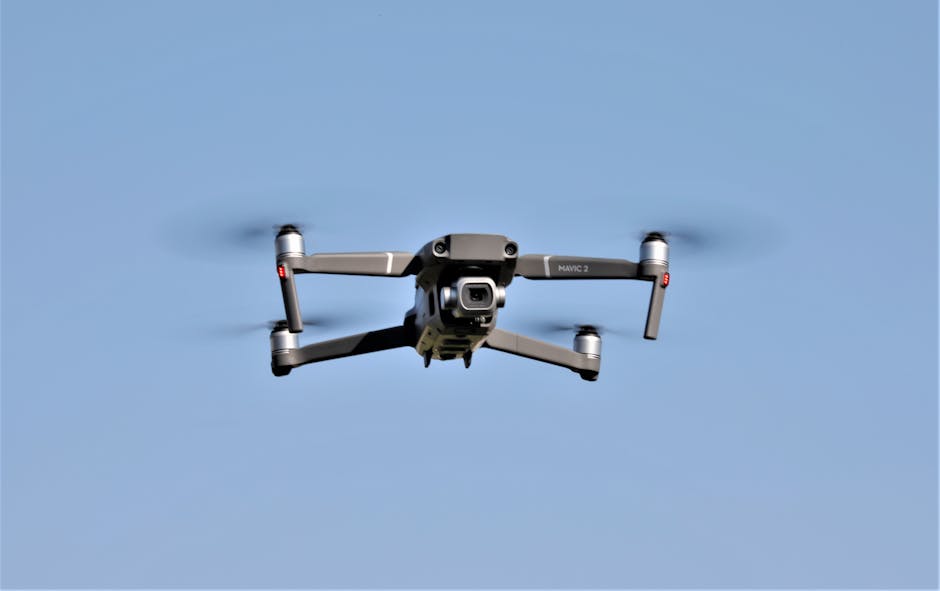
Helsing, a Munich-based defense startup founded in 2021, is reportedly raising 1.2 billion US dollars, which would value the company at 18 billion dollars. This would make it the most valuable German startup, surpassing previous record holders Trade Republic and Celonis. The company develops AI-powered autonomous combat drones, with the HX-2 model already in operation. The funding round is led by US investors Dragoneer and Lightspeed Venture Partners.
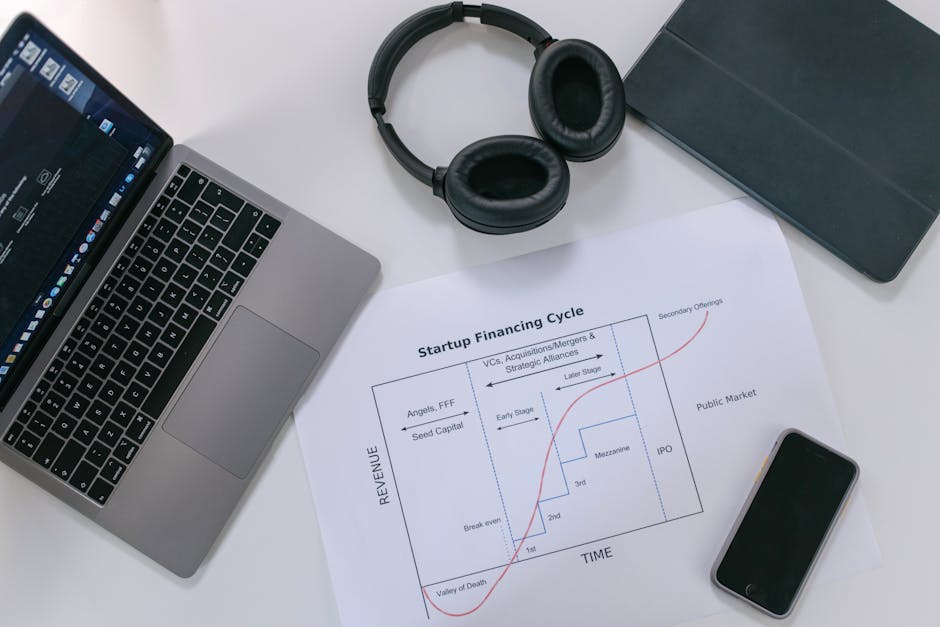
A new analysis by The Association of Listed Danish Companies (FBV) reveals 54 Danish companies with IPO potential by 2030, including scaled startups like Pleo, Lunar, Veo, and Too Good To Go. The report suggests Denmark’s IPO pipeline is stronger than commonly assumed, with these 54 candidates representing nearly a third of the current Danish stock market. The analysis recommends three key steps: encouraging pension fund investment in Danish equities, improving retail investor incentives, and simplifying the listing process.

Fin (formerly Intercom) announced Fin Operator, an AI agent that manages the customer-facing Fin AI agent. The product targets support operations teams, automating data analysis, knowledge management, and agent debugging. It runs on Anthropic’s Claude models and includes a human approval system for all proposed changes. The company recently rebranded from Intercom to Fin, signaling that AI agents are now the core business. Fin generates 100 million ARR and is growing at 3.5x, accounting for roughly a quarter of total company revenue.