
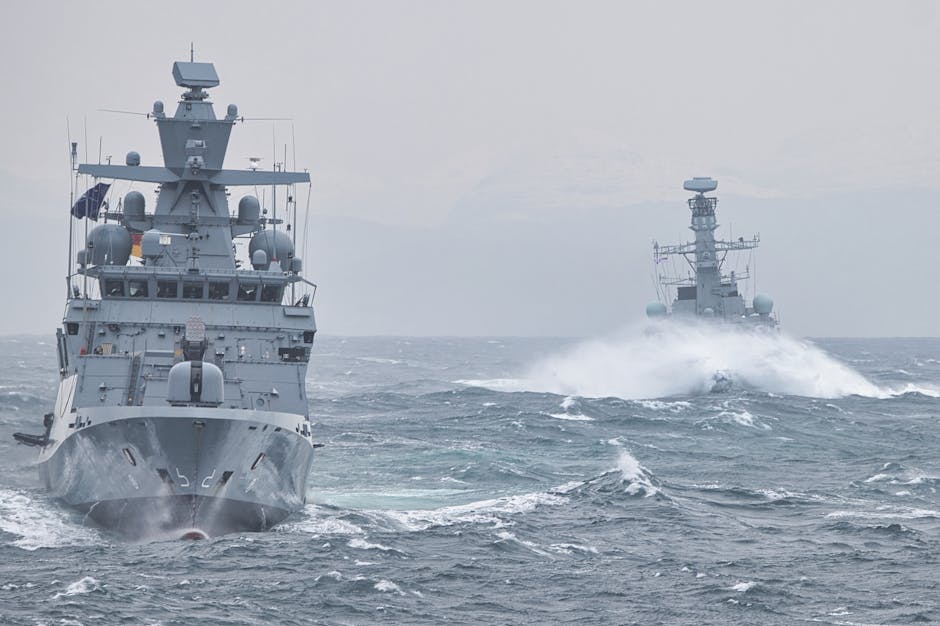
Sweden has placed a major order for four FDI-class frigates from Naval Group, the French defense contractor, in a transaction valued at over 3.5 billion euros. The agreement represents Sweden’s most significant military procurement in decades and underscores the Nordic nation’s strategic pivot following its accession to NATO in 2024.
Strengthening Baltic Security
The Swedish government’s decision to commission the advanced warships reflects growing concerns about regional stability in the Baltic Sea. Swedish Prime Minister Ulf Kristersson emphasized the security rationale behind the procurement, stating: “The Baltic Sea has never been as exposed, contested and disputed as it is now in the modern era. With this decision, I am convinced that Sweden is contributing to making the Baltic Sea considerably safer in the future.”
The order responds directly to elevated tensions following Russia’s invasion of Ukraine, which prompted Sweden and Finland to abandon decades of military non-alignment and seek NATO membership. The new frigates will significantly enhance Sweden’s naval capabilities in a region where Russian military activity has intensified.
Delivery Timeline and Program Scope
Naval Group will construct the four vessels according to the FDI-class specifications, a modern frigate design that represents cutting-edge naval technology. The first frigate is scheduled for delivery in 2030, with subsequent vessels following over the coming years. The phased delivery timeline allows Sweden to integrate the new ships into its fleet operations while maintaining continuity with existing naval assets.
The FDI-class represents a proven design, with variants already in service or under construction for other European navies. The frigates will feature advanced combat systems, sensor suites, and capabilities suited to contemporary naval operations across the full spectrum of potential threats.
Broader Strategic Implications
This substantial order demonstrates Sweden’s commitment to military modernization and interoperability with allied forces. The procurement aligns with NATO’s emphasis on enhancing collective defense capabilities in Northern Europe, particularly given the strategic importance of the Baltic region to the alliance.
The contract also reflects the growing importance of European defense industrial cooperation. Naval Group’s success in securing the Swedish order positions the company prominently in Europe’s competitive defense market, where multiple nations are reassessing military spending in response to the security environment.
European Defense Sector Context
The Swedish frigate order exemplifies broader trends reshaping Europe’s defense landscape. Following Russia’s 2022 invasion of Ukraine, European nations have substantially increased defense expenditures, with several exceeding NATO’s two-percent GDP target. This surge in spending has created significant opportunities for established defense contractors like Naval Group, which is simultaneously competing for additional international contracts, including potential frigates for the Portuguese Navy.
The investment in advanced naval capabilities reflects a continent increasingly focused on modernizing its armed forces and strengthening NATO’s deterrent posture. Such major procurement decisions underscore how geopolitical shifts continue to reshape European industrial priorities and defense spending patterns.