
Galp, Portugal’s leading energy company, has confirmed that a batch of aviation fuel supplied to Lajes Civil Aerodrome in Terceira, Azores, failed to meet internal quality requirements and has been preventively removed from circulation.
The incident involves JET A-1 fuel sourced from Galp’s Sines refinery. According to the company, the batch “não cumpriu integralmente os critérios internos de qualidade aplicáveis ao combustível de aviação,” highlighting the seriousness with which the organization treats fuel safety standards in aviation operations.
Operational Response and Emergency Measures
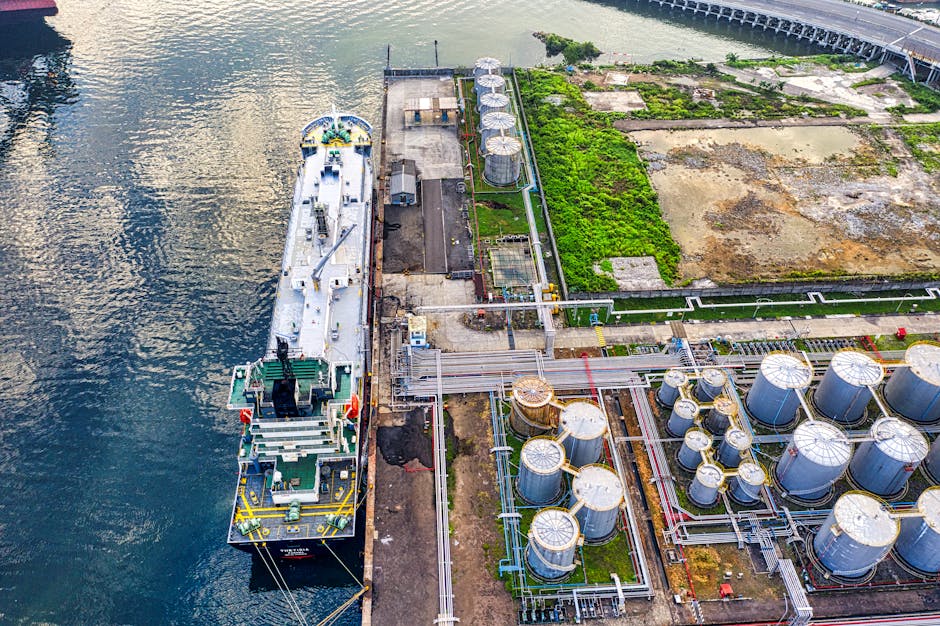
Galp’s investigation into the quality failure points to an operational issue that occurred during the maritime discharge process. Following the discovery, the company immediately activated emergency protocols to address the supply disruption at the Azores facility.
The response has included arranging additional supply shipments from São Miguel, another island in the Azores archipelago, to maintain continuity of aviation fuel availability. The company has also initiated procedures for the replacement of the non-compliant fuel batch that had already entered the supply chain.
Timeline for Normalization
The energy company has provided a timeline for the resumption of normal operations, estimating that fuel supply at Lajes Civil Aerodrome will progressively normalize by May 23. This phased approach suggests Galp is working systematically to clear existing stocks and implement quality assurance measures before full restoration of standard supply procedures.
Industry Context
The incident underscores the critical importance of rigorous quality control in aviation fuel supply chains across Europe. Aviation fuel specifications are tightly regulated internationally, and deviations—even minor ones—can impact aircraft performance and safety. The preventive withdrawal demonstrates responsible industry practice, prioritizing passenger and crew safety over supply continuity.
For Portugal’s energy sector, Galp’s swift response reflects established protocols within major European energy companies. The Azores, while geographically remote, represent a strategically important aviation hub in the Atlantic, serving both commercial and military operations. Supply chain resilience in island regions often presents unique logistical challenges, particularly when quality issues emerge.
The incident also highlights broader European energy sector challenges, including the maintenance of critical infrastructure in peripheral regions and the balance between operational efficiency and uncompromising quality standards. As European aviation continues to modernize and sustainability becomes increasingly important—including potential transitions toward sustainable aviation fuels—maintaining robust quality assurance systems remains fundamental to industry operations.
Galp’s transparent communication about the issue and clear timeline for resolution sets an example for how established energy companies manage technical incidents while maintaining stakeholder confidence in their supply chains.