
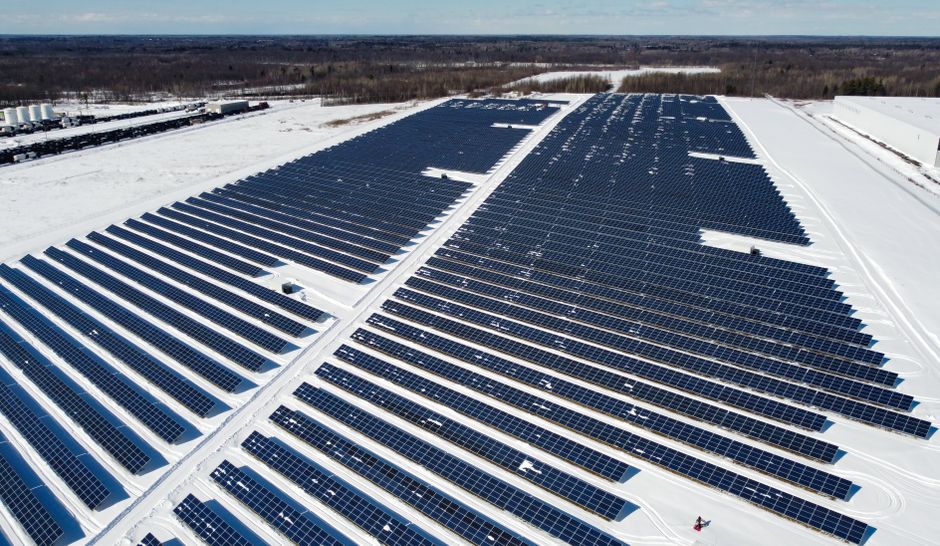
Cris-Tim, a Romanian meat production company, is investing €5.1 million to construct a solar power plant equipped with battery storage, marking a significant step toward energy independence for its manufacturing operations. The project will see the installation of a 5.76 MWp photovoltaic system paired with a 12.5 MWh energy storage facility designed to meet a portion of the company’s electricity demand through self-generated power.
EU Funding Accelerates Renewable Investment
The investment has been partially supported through a non-repayable grant, with the Agency for Funding Rural Investments (AFIR) contributing 45% of the total project cost. The remaining funding will come from the company’s own resources or bank financing. This structure reflects the growing trend of European companies leveraging EU rural development funds to transition toward cleaner energy systems while maintaining financial sustainability.
The scale of Cris-Tim’s commitment demonstrates how even traditional manufacturing sectors are embracing renewable energy solutions. Once operational by 2028, the solar installation is expected to cover approximately 23.7% of the company’s annual electricity needs, substantially reducing its reliance on grid-supplied power and exposure to volatile energy market prices.
Strategic Benefits Beyond Environmental Impact
According to the company’s announcement, the grant funding structure carries direct financial advantages beyond environmental considerations. “By reducing the company’s contribution to the investment, the funding is expected to shorten the payback period,” Cris-Tim stated. “After commissioning, the plant will allow covering a larger share of the company’s electricity needs from its own production, contributing to reducing energy purchase costs and exposure to market price volatility.”
This rationale reflects a pragmatic approach to renewable energy adoption, where operational cost reduction and risk mitigation serve as primary drivers alongside sustainability goals. For food production companies, which typically operate with significant energy requirements, the ability to stabilize and reduce electricity expenses represents a meaningful competitive advantage.
Broader European Momentum
Cris-Tim’s project exemplifies the accelerating shift across the European startup and SME landscape toward renewable energy self-sufficiency. As energy prices remain elevated and volatile following recent market disruptions, businesses across sectors are increasingly investing in on-site generation capacity. The availability of EU grants through programs like AFIR removes financial barriers that might otherwise delay such transitions.
Romania, as an EU member state with substantial agricultural and food production sectors, has become an active hub for such initiatives. The convergence of available funding mechanisms, improving solar technology costs, and corporate sustainability objectives is creating conditions favorable to continued investment in distributed renewable energy systems throughout Central and Eastern Europe.
For companies like Cris-Tim, these projects represent more than environmental responsibility—they constitute strategic investments in operational resilience and long-term cost management in an increasingly uncertain energy landscape.