
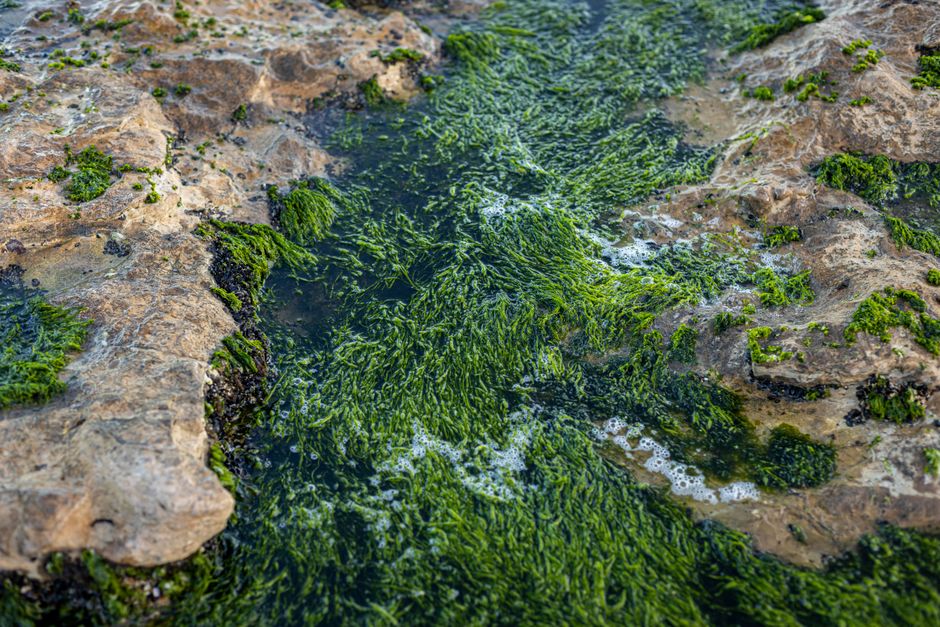
Tolo Green has achieved a significant milestone in space biotechnology by securing international patent protection for a novel bioreactor system capable of cultivating Spirulina under simulated Martian gravity and atmospheric conditions. The Italian company, working alongside the Universities of Cagliari and Sassari, research institute CRS4, and the Sardinia Aerospace District, developed the technology to support potential human space missions through sustainable protein production.
Patent Grants and Global Evaluation
The innovation has already received patent approval in Japan and Russia, marking formal recognition of the technology’s originality and commercial potential. Patent applications are currently under evaluation in several additional major markets, including Europe, the United States, China, and India. This multi-region approach suggests the consortium views the technology as having significant international appeal within the emerging space economy sector.
The project combines expertise across multiple disciplines, bridging advanced biotechnology with aerospace research. The collaboration demonstrates how regional innovation ecosystems can combine academic knowledge with commercial entrepreneurship to address challenges specific to space exploration.
Advancing Space Nutrition Solutions
The Spirulina cultivation system represents a practical solution to a fundamental challenge facing long-duration space missions: providing nutritionally complete food sources that require minimal resources and infrastructure. The microorganism chosen for the project offers substantial advantages for such applications.
According to Giacomo Cao, involved in the research effort, “Spirulina is commonly considered a micro‑alga, but scientifically it is a photosynthetic cyanobacterium.” This distinction is more than semantic; understanding the organism’s true classification informs how it can be optimized for growth in controlled environments mimicking extraterrestrial conditions. Spirulina’s high protein content, alongside other nutritional properties, makes it an attractive candidate for supporting astronaut nutrition on extended missions to Mars and beyond.
Recognition and Future Prospects
The project’s achievement extends beyond patent protection. The consortium has also received recognition through an international award, validating both the scientific approach and potential commercial viability of the work. Such external validation often attracts attention from industry stakeholders and funding bodies interested in space technology development.
The successful patenting in major economies suggests that the technology has cleared significant technical and novelty hurdles. As evaluations proceed in other jurisdictions, the patent portfolio could strengthen Tolo Green’s competitive position in the emerging space agriculture sector.
European Context
The Tolo Green initiative reflects broader European efforts to develop indigenous capabilities in deep-space technology and in-situ resource utilization. Rather than relying entirely on external partners for space-related innovations, the collaboration shows how Mediterranean regions can contribute specialized expertise to the continent’s space economy ambitions. Similar public-private partnerships between startups and research institutions have become increasingly common across Europe, positioning the continent as a significant player in commercial space ventures alongside traditional aerospace powerhouses.