
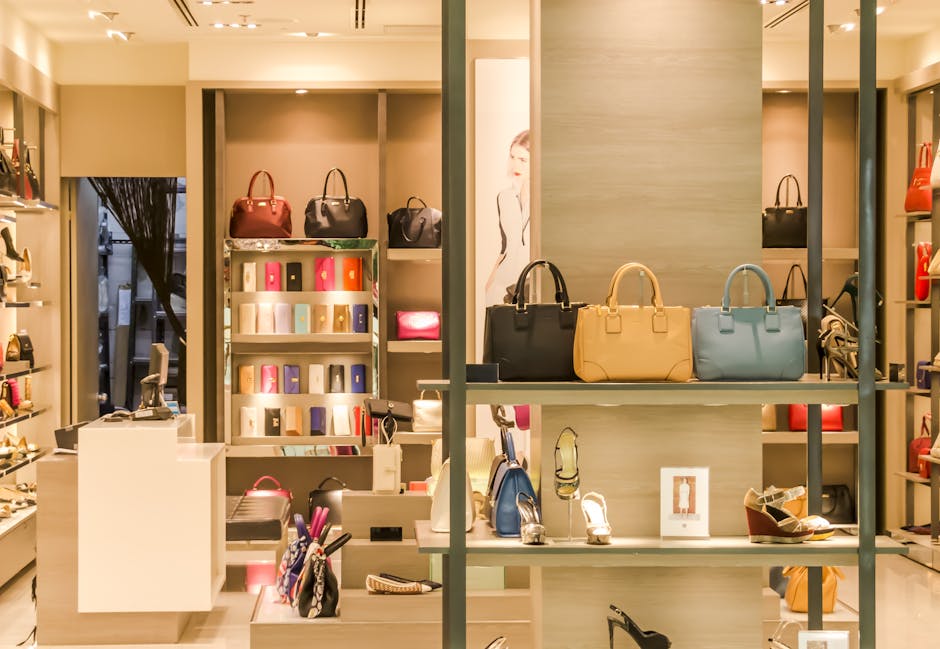
Dior, the Paris-based luxury fashion house, is recalibrating its pricing approach to recover market share lost to price-sensitive consumers over the past several years. The strategic pivot reflects growing recognition within the luxury sector that aggressive price escalation may have alienated core customer bases.
Rethinking Luxury Pricing
CEO Delphine Arnault articulated the brand’s new positioning in recent remarks, emphasizing a more measured approach to price management. “We are working very hard on leather goods offerings and we are very cautious about prices,” Arnault stated. “We cannot really increase the price of a product without increasing the perception of quality and the product. It is important to work on that aspect.”
The statement underscores a fundamental principle that has increasingly challenged luxury brands: maintaining pricing power requires demonstrable improvements in product quality and desirability. Dior’s acknowledgment of this dynamic suggests the brand recognizes that years of consistent price increases may have outpaced corresponding enhancements in perceived value.
Concrete Actions and New Directions
Evidence of this strategic shift is already visible in Dior’s recent product decisions. The brand has maintained a price freeze on its iconic Lady Dior handbag since 2023, with the only exceptions coming from currency devaluation adjustments rather than deliberate price increases. This restraint stands in notable contrast to industry trends, where luxury houses have frequently raised prices annually to protect margins against inflation.
The renewal initiative gained momentum with the appointment of Jonathan Anderson as creative director last year. Anderson is spearheading a brand transformation that includes the introduction of lower-priced product offerings, with new accessible lines launching on January 2. This tiered approach suggests Dior is attempting to broaden its customer base while maintaining its heritage positioning in the ultra-premium segment.
Industry Context
Dior’s recalibration arrives amid broader scrutiny of luxury pricing across Europe. Several major fashion conglomerates have faced consumer pushback following sustained price increases that many observers argue have outpaced quality improvements or meaningful product innovation. The phenomenon has become particularly acute in leather goods, where flagship pieces from heritage brands now command five-figure price tags.
The French luxury market remains Europe’s largest, and strategic decisions by flagship brands like Dior carry considerable weight across the broader ecosystem. As European startups in fashion technology and sustainable luxury continue emerging, established players’ pricing strategies will likely influence how new entrants position themselves competitively.
Dior’s approach—balancing heritage positioning with accessibility through product diversification rather than wholesale price cuts—represents one model for addressing the luxury industry’s current customer acquisition challenges. Whether this strategy successfully recovers lost market share will provide important signals for how the broader European luxury sector might evolve in coming years.