
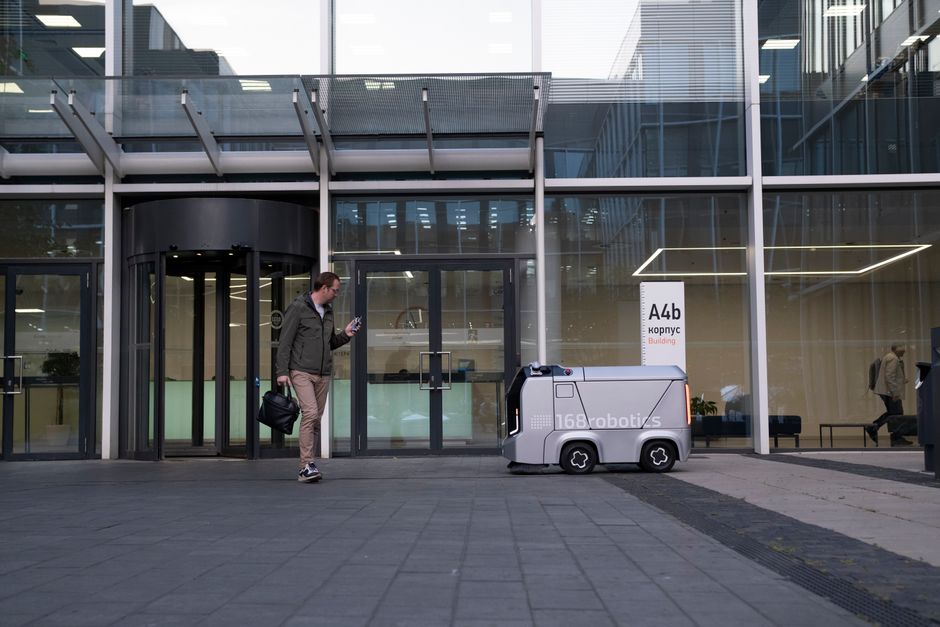
Gauss Robotics, a German startup operating at the intersection of climate technology and robotics, has announced its insolvency and the cessation of all business operations. The company’s closure marks another notable setback within Europe’s climate-tech and robotics sectors, which have faced mounting pressures as investor appetite for emerging technologies continues to fluctuate.
The startup, classified as a late-stage venture, specialized in artificial intelligence and machine learning applications within the robotics domain. While specific details regarding the circumstances leading to the insolvency filing remain limited, the shutdown underscores the financial challenges that even well-positioned technology companies encounter in maintaining operational viability.
Financial and Operational Impact
The closure of Gauss Robotics represents a loss of technical expertise and innovation capacity in a sector that has attracted considerable international attention. Climate-tech startups, in particular, have become central to Europe’s sustainability agenda, with numerous ventures attempting to leverage automation and intelligent systems to address environmental challenges. The company’s exit from the market suggests that technological innovation alone may be insufficient to ensure long-term financial sustainability without adequate market demand or sustained funding support.
The timing of this insolvency reflects broader trends within the European startup ecosystem, where numerous deep-tech companies have faced funding constraints as venture capital has become increasingly selective. Many investors have shifted their focus toward startups demonstrating clear paths to profitability and immediate revenue generation, potentially disadvantaging longer-term research and development initiatives.
Broader European Context
Gauss Robotics’ insolvency adds to a growing list of climate-tech and robotics ventures that have struggled to achieve financial stability. The European startup landscape has experienced significant volatility in recent years, with funding rounds becoming more competitive and investor expectations becoming more stringent. While climate technology remains a priority sector for policymakers and institutional investors across the European Union, individual companies must still navigate substantial technical, regulatory, and commercial hurdles.
The closure also highlights the ongoing challenges within the robotics sector, where high capital requirements and extended development timelines can strain financial resources. European robotics startups have historically required substantial funding to bring products to market, and the current investment climate has made raising capital increasingly difficult for ventures operating in this space.
Despite individual company failures, the broader European commitment to climate innovation and robotics development remains intact. Policy initiatives at both the EU and national levels continue to support research and development in these areas, though they increasingly emphasize the importance of sustainable business models alongside technological advancement. As the ecosystem matures, lessons learned from ventures like Gauss Robotics will likely inform how future startups approach funding strategies and operational planning within Europe’s competitive technology landscape.