
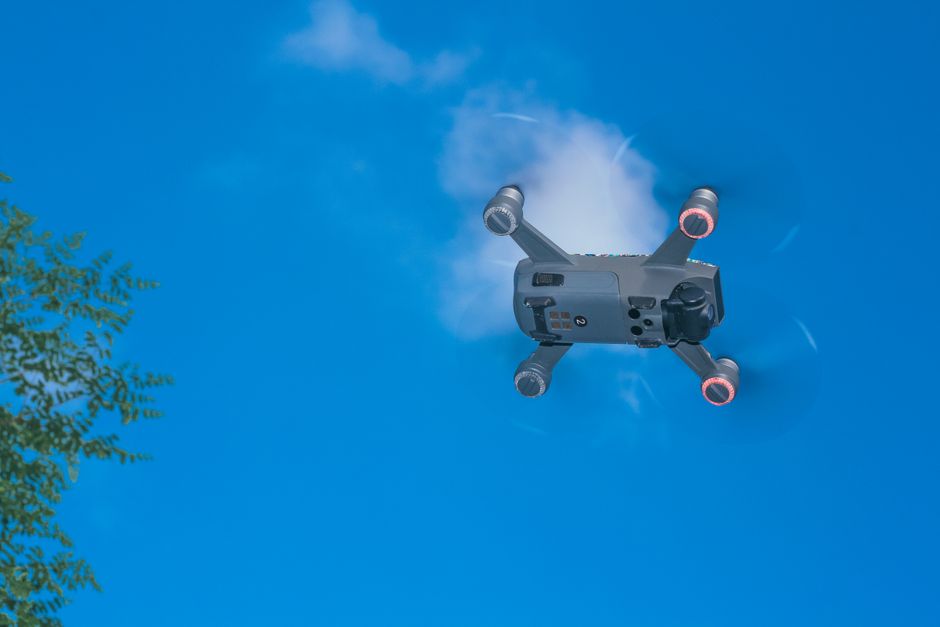
Carmine Sky has achieved a significant milestone in combat technology, with its Blysk laser system successfully shooting down a Russian drone in operational conditions. The incident represents the first confirmed use of a combat laser against an aerial target in real-world warfare, underscoring the growing maturation of directed-energy weapons in military applications.
The successful engagement marks a turning point for laser-based air defense systems, which have long remained largely theoretical or limited to testing environments. While various nations have invested in laser weapon development for decades, translating this technology into effective battlefield use has proven substantially more challenging than conventional air defense systems. Carmine Sky’s achievement demonstrates that the technical and operational hurdles are increasingly surmountable.
Ukrainian Defense Innovation Hub
Ukraine’s position as an emerging innovation hub for defense technologies has been reinforced by this development. The country’s urgent security needs have accelerated technological adoption and created conditions for rapid iteration on new weapons systems. Carmine Sky’s work occurs within a broader ecosystem of Ukrainian companies developing advanced air defense capabilities.
Sergei Beskrestnov, an adviser to President Volodymyr Zelensky on defense technologies, acknowledged the significance of the achievement within this context. “In Ukraine, several companies are engaged in developing lasers for air defence. Laser technologies are very complex and costly, so it is positive when someone brings good news,” Beskrestnov stated, highlighting both the competitive landscape and the resource intensity of such development efforts.
Technical and Strategic Implications
The Blysk system’s operational success carries implications beyond the immediate tactical context. Laser systems offer distinct advantages over conventional air defense solutions, including lower operational costs per engagement, the ability to engage multiple targets rapidly, and reduced collateral damage concerns in populated areas. These characteristics make directed-energy weapons particularly attractive for defenders facing sustained drone threats.
However, the technology remains subject to environmental constraints, including weather conditions and atmospheric interference, which can affect laser propagation. The circumstances of Carmine Sky’s successful engagement will likely be scrutinized by defense analysts worldwide to understand how these limitations were managed in operational conditions.
Broader European Defense Ecosystem
The development carries relevance for Europe’s defense industrial strategy beyond Ukraine’s immediate circumstances. European nations have increasingly prioritized defense spending and technological self-sufficiency, particularly following Russia’s 2022 invasion of Ukraine. The success of an emerging Ukrainian startup in achieving a world-first operational capability demonstrates the potential for rapid innovation cycles within constrained security environments.
For European investors and defense procurement officials, Carmine Sky’s achievement illustrates the market potential for specialized defense technologies addressing contemporary threats. As drone technology proliferates across military and non-state actors, demand for effective countermeasures continues expanding. The operational validation of laser-based solutions opens new categories for investment and development across Europe’s defense technology sector.