
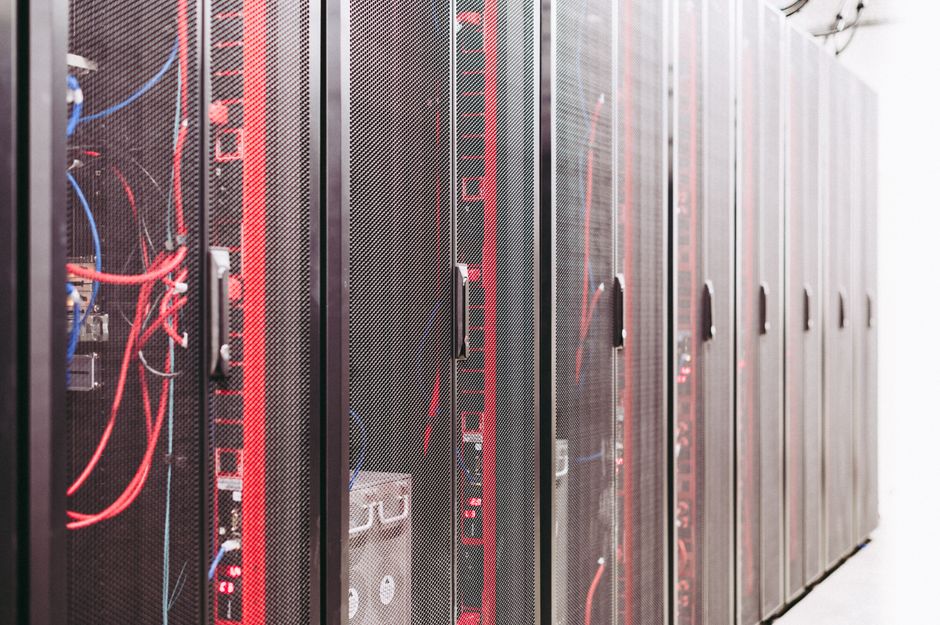
EcoDataCenter has constructed what appears to be a novel approach to data center infrastructure by building a facility in Falun, Sweden, where artificial intelligence servers operate within wooden structures rather than conventional steel and concrete buildings.
The facility represents an unconventional model for housing computing hardware, one that addresses growing concerns about the environmental footprint of data centers. Rather than relying on traditional materials and infrastructure, EcoDataCenter opted for timber construction to house its servers, creating wooden halls that contain the equipment necessary to support AI workloads.
Waste Heat Recovery Integration
What distinguishes the Falun installation is its integration of thermal energy recovery systems. The data center generates substantial waste heat during normal server operations, as is typical with any intensive computing facility. Rather than allowing this heat to dissipate, EcoDataCenter has implemented a process to partially capture and redirect it toward wood pellet production.
This dual-purpose approach transforms a byproduct typically considered waste into a useful output, creating what the company characterizes as a more sustainable and attractive model for data center design. The integration of heat recovery with pellet manufacturing suggests an attempt to maximize the facility’s overall resource efficiency.
Broader Sustainability Implications
The project demonstrates that data center operators have viable alternatives to conventional construction methodologies. Wooden structures offer potential advantages including reduced embodied carbon compared to steel and concrete facilities, while timber sourcing from sustainably managed forests aligns with circular economy principles. The waste heat application further illustrates how data centers might become more integrated with local manufacturing or heating requirements rather than existing as isolated energy consumers.
EcoDataCenter’s approach in Falun signals growing experimentation within the European data center sector regarding sustainability and alternative design paradigms. As artificial intelligence adoption accelerates across the continent, infrastructure requirements continue expanding, intensifying scrutiny of how these facilities are constructed and operated.
European Context
The initiative reflects broader trends within the European startup ecosystem toward addressing environmental concerns in computationally intensive industries. Sweden, with its established timber industry and commitment to climate objectives, provides an appropriate location for such experimentation. The country’s existing infrastructure for forestry and biomass processing may have facilitated the integration of pellet production with the data center operation.
Data center sustainability has become an increasingly important consideration as both regulators and enterprises focus on decarbonization strategies. Projects like EcoDataCenter’s Falun facility contribute to a growing body of evidence that alternative approaches to traditional data center design merit serious consideration. Whether wooden construction and waste heat recovery can scale across larger deployments remains to be seen, but the demonstration suggests that conventional data center design patterns are not inevitable.