
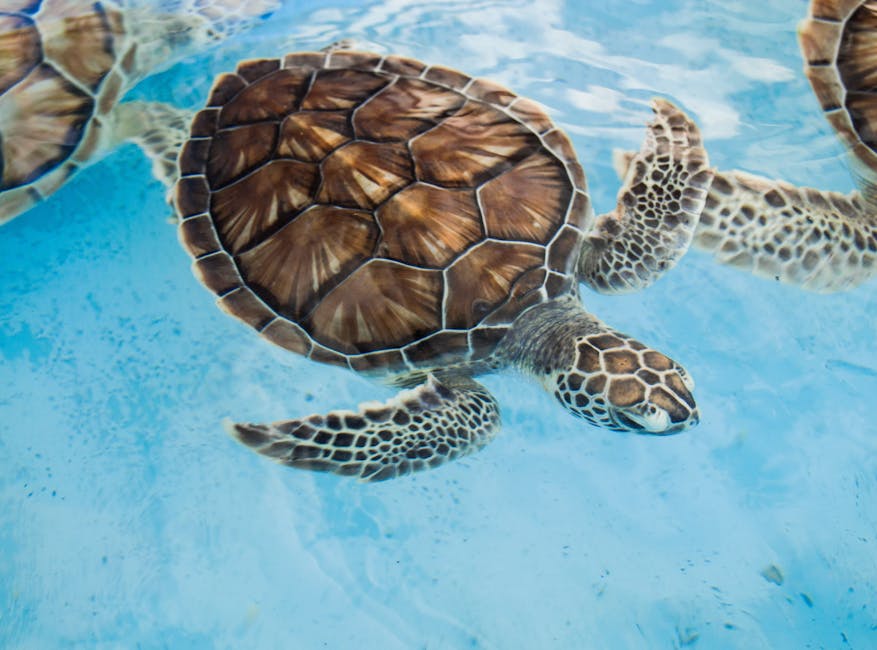
Fondazione Cetacea, a marine conservation organization based in Riccione, Italy, is conducting research into a possible connection between a debilitating syndrome affecting sea turtles in the Adriatic Sea and the presence of liquefied natural gas (LNG) rigassification plants in the region.
The foundation has been actively studying and treating sea turtles affected by the unexplained syndrome, which has impacted populations across the Adriatic. Through their ongoing research efforts, the organization is exploring whether the infrastructure associated with LNG regasification operations could be contributing to the marine animals’ health decline.
Research and Conservation Efforts
The initiative represents a significant effort to understand emerging threats to marine life in one of Europe’s most ecologically important sea regions. Sea turtles in the Adriatic face numerous challenges, including fishing nets, pollution, and habitat degradation. The syndrome being investigated adds another layer of concern for researchers working to protect these vulnerable species.
Fondazione Cetacea’s work involves both direct care for affected animals and broader epidemiological research designed to identify potential environmental factors. By treating individual turtles, the organization gathers clinical data while simultaneously working to understand patterns that might reveal systemic causes of the syndrome.
Environmental Implications
The potential link between LNG infrastructure and marine wildlife health raises questions about the broader environmental consequences of energy production facilities in sensitive coastal areas. As Europe increasingly turns to natural gas as a transition fuel, the placement and operation of regasification plants has become a subject of environmental scrutiny across the continent.
The Adriatic Sea supports diverse marine ecosystems and serves as a critical habitat for numerous species, including several protected turtle populations. Any activity that could adversely affect these environments warrants careful investigation and monitoring.
Wider European Context
The work conducted by Fondazione Cetacea reflects growing awareness within the European startup and conservation sectors about the need for independent research into the environmental impacts of energy infrastructure. Similar conservation organizations across Europe are increasingly examining connections between industrial activities and wildlife health, contributing to a broader understanding of how development affects marine ecosystems.
As EU member states work to balance energy security with environmental protection goals outlined in the European Green Deal, research into the real-world impacts of energy facilities becomes increasingly important. The findings from Fondazione Cetacea’s investigation could inform future policy decisions regarding the siting and operation of LNG facilities throughout European waters.
The organization’s commitment to studying this syndrome demonstrates the critical role that specialized conservation groups play in monitoring environmental health and holding infrastructure developers accountable for their ecological footprint.