
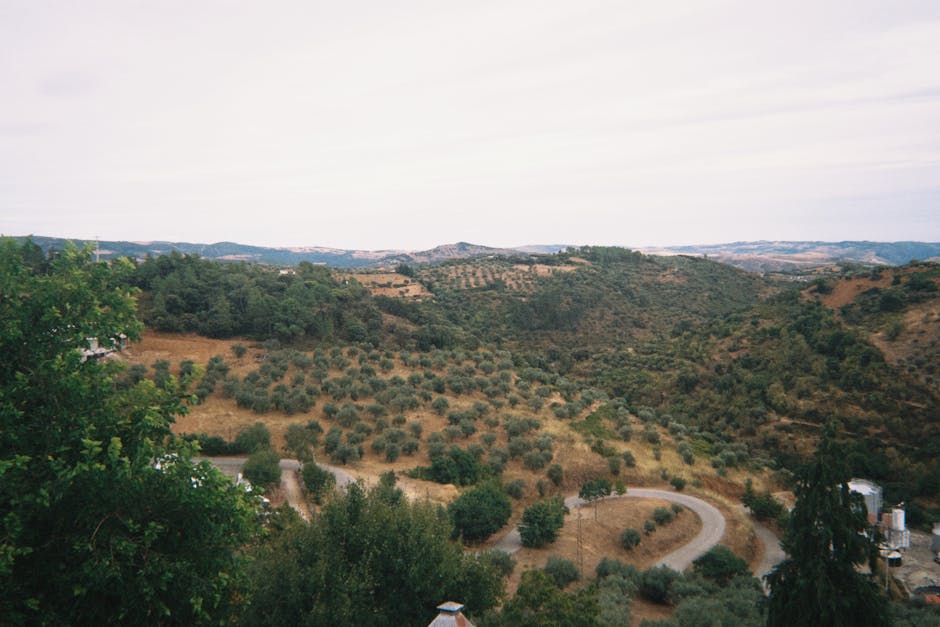
Van Lanschot Kempen, a prominent Dutch financial institution, has acquired a 400-hectare olive grove located in Faro do Alentejo within Portugal’s Alqueva region. The acquisition marks a significant expansion of the company’s Rio de Azeite platform, which specializes in sustainable extra virgin olive oil production.
The property was obtained through Van Lanschot Kempen’s SDG agricultural investment fund, reflecting the institution’s commitment to combining financial returns with sustainable development goals. The location in the Alqueva region offers distinct operational advantages, including favorable Mediterranean climate conditions and access to reliable water resources provided by the Alqueva dam, one of Europe’s largest reservoirs.
Strategic Expansion Through Rio de Azeite Platform
The Rio de Azeite platform represents Van Lanschot Kempen’s dedicated approach to olive oil production that emphasizes regenerative and environmentally responsible agricultural practices. The Portuguese acquisition enables the platform to implement these sustainability principles across a substantially larger operational footprint, moving beyond pilot phases into significant commercial-scale production.
Richard Jacobs, Investment Director at Van Lanschot Kempen, commented on the strategic rationale: “This new acquisition offers an attractive long-term opportunity in sustainable olive oil production, combining favorable climatic conditions, reliable water resources and competitive costs. It strengthens our Rio de Azeite platform and allows us to apply regenerative and environmentally responsible agricultural practices on a large scale.”
Growing Global Agricultural Footprint
The Alentejo acquisition contributes to Van Lanschot Kempen’s broader agricultural investment strategy. The company’s SDG Farmland fund now manages approximately 26,600 hectares globally across multiple countries and agricultural sectors. The fund maintains over 480 million euros in assets under management, positioning it as a significant player in European agricultural investment.
This expansion demonstrates growing institutional investor interest in agricultural assets that generate both financial and environmental returns. Van Lanschot Kempen’s approach aligns with broader European sustainability trends, where financial institutions increasingly integrate environmental, social and governance considerations into investment decisions.
The Portuguese olive oil sector has attracted renewed international attention as global demand for extra virgin olive oil continues to rise. Portugal’s Alentejo region has developed a reputation for high-quality olive production, combining traditional cultivation knowledge with modern agricultural techniques. The region’s climate and irrigation infrastructure make it particularly suitable for large-scale sustainable farming operations.
The acquisition underscores how European financial institutions are deploying capital toward agricultural ventures that address multiple objectives simultaneously: generating investor returns, supporting food security, and advancing environmental sustainability through regenerative practices. As European startups and established companies increasingly focus on sustainable food systems, institutional backing from entities like Van Lanschot Kempen signals market confidence in agriculture’s evolution toward more responsible production models.