London Deeptech Startup Voxmind Secures £546,491 Pre-Seed Funding for Voice Biometrics Technology

Voxmind raises pre-seed funding for voice biometrics and deepfake detection technology

 James O'Brien
Voxmind raises pre-seed funding for voice biometrics and deepfake detection technology

London-based Fresha, a beauty and wellness software startup providing appointment booking, payments and business management solutions for salons, spas and wellness operators, raised $80m from KKR at a valuation exceeding $1bn, achieving unicorn status. The company is already profitable and plans to use the capital for international expansion and AI tool development.

Starling Bank, a UK challenger bank with over 6 million customers, reported pre-tax profits fell 3% to £217m and revenues fell to £887m for the year ending March 2026, primarily due to lower interest income from reduced interest rates. However, the bank’s SaaS subsidiary Engine doubled its client base to 4 and grew revenue 25% to £10.9m, signing a 10-year agreement with Tangerine (Scotiabank subsidiary) marking its first North American client.
Searchable, a London-based AI performance marketing platform, raised €11.9 million in Series A funding led by Headline at a €72.1 million valuation. The platform helps brands understand, track and improve their visibility across AI-led search engines. Since launching in January 2025, the company reached €2.2 million in annual recurring revenue and works with major enterprise clients.
London-based payments infrastructure provider Primer raised $100m in Series C funding led by Sofina. The company, founded in 2020 by ex-PayPal employees, provides a platform allowing large e-commerce merchants to connect their entire payments stack and manage multiple payment service providers. Primer will use the funding to expand AI capabilities of its Primer Companion agent and accelerate US expansion, targeting US revenue to exceed one-third of total business by 2028.
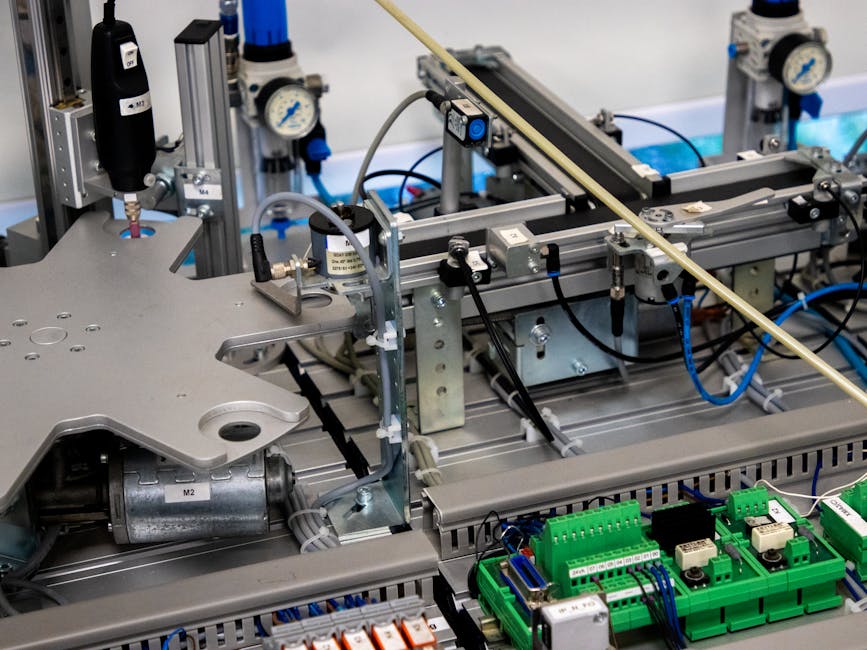
CircuitHub, a UK-based electronics manufacturing company with R&D roots in Cambridge and operations in London, raised $28 million led by Plural to expand its automated manufacturing facilities across the US and Europe. The company operates the Grid, an automated 5,000-square-foot factory that uses robotics, computer vision, and AI to produce circuit boards from design files in days rather than months. CircuitHub has delivered 2 million+ boards to 20,000 engineers and is positioned as the fastest-growing electronics manufacturer in the US.
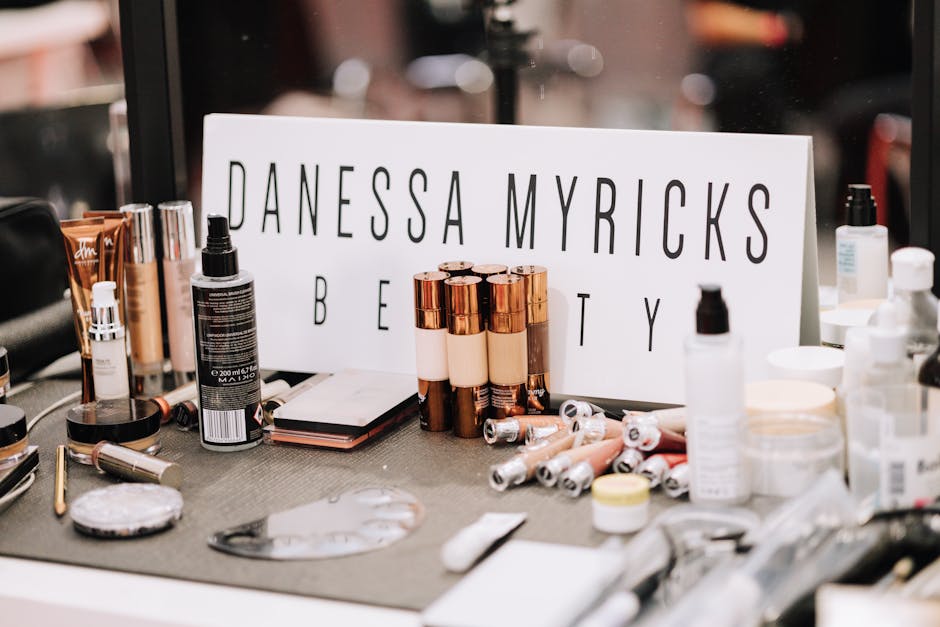
Charlotte Tilbury’s founder is threatening to renegotiate her contract with Puig, which owns 78.5% of the British makeup brand. The founder holds the remaining 21.5% stake and is invoking a change of control clause ahead of potential acquisition by Estée Lauder. In 2024, Puig valued the entire brand at approximately 4 billion euros when it purchased an additional 5.4% stake for 215 million euros. The founder’s remaining stake could be worth around 850 million euros at current valuations, which may deter Estée Lauder from proceeding with the acquisition of Puig.
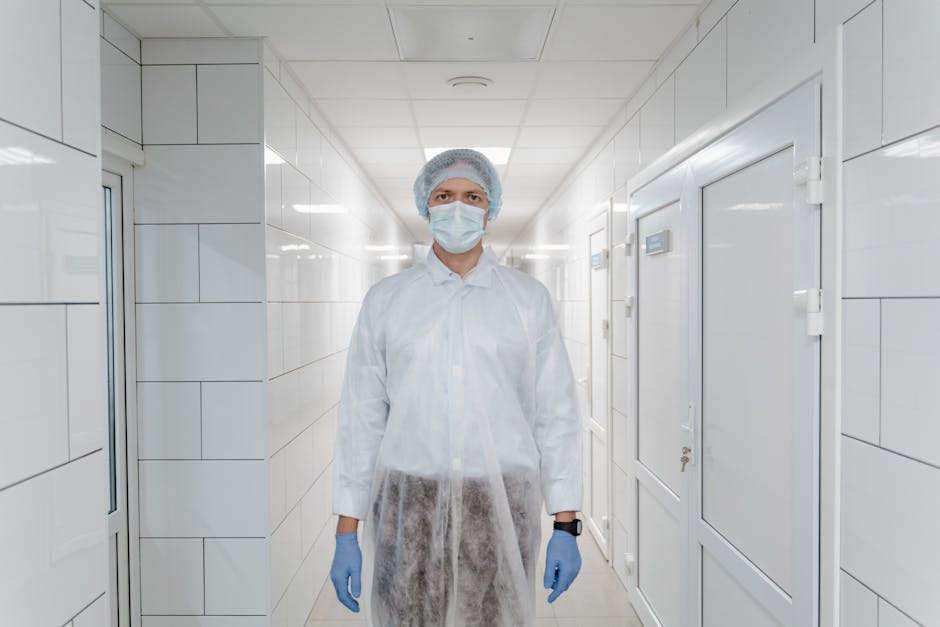
NEX Health Intelligence, a healthtech startup, has raised €1 million in pre-seed funding to develop an AI-powered infection intelligence platform designed to help hospitals detect, predict and prevent healthcare-associated infections. The platform has already supported infection safety across more than 40,000 patient admissions internationally and is currently working with NHS organisations in the UK and hospitals in Southeast Asia.

Monzo, the London-based digital bank, has achieved £1bn in gross profit for the first time and announced its third consecutive year of profitability with a 20% rise in adjusted profit before tax to £172.6m. The fintech is expanding aggressively across Europe, having launched in Ireland in April with 100k customers on the waitlist and announcing Spain as its next market with offices in Barcelona and Madrid. The bank recorded 3m new customers this year and saw business banking customers grow 45% to over 905k.
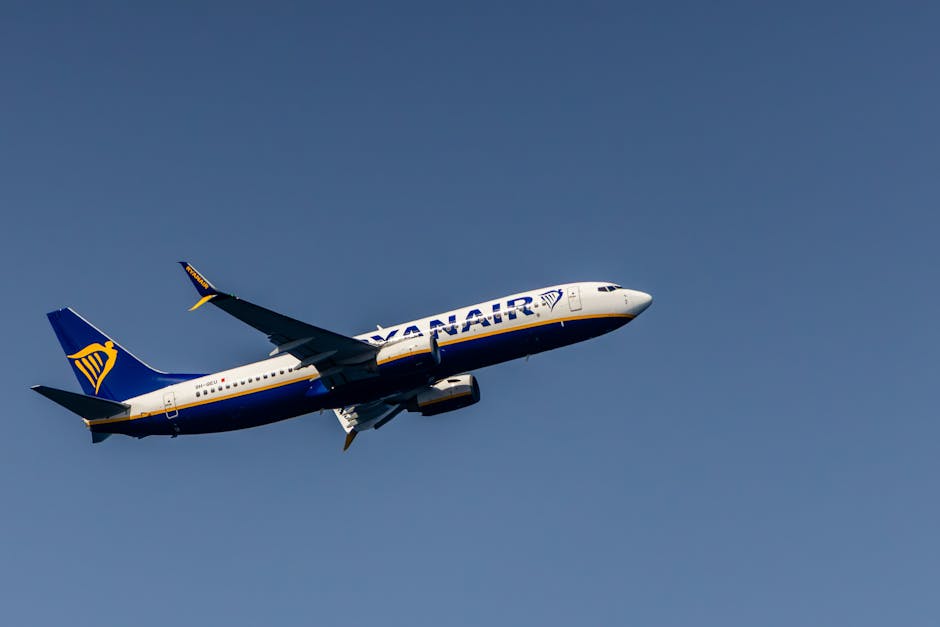
Ryanair announced record net profits of €2.26 billion for fiscal year 2026 (ending March 31), a 40% increase driven by reduced expenses and higher revenues from passenger growth and fares. The airline projects stable ticket prices during peak summer months and increasing confidence in jet fuel supply despite Middle East tensions. The company’s conservative fuel hedging strategy (80% of FY2027 fuel hedged at $67/barrel) protects margins as spot prices exceed $150/barrel. CEO Michael O’Leary’s contract extension negotiations through 2032 are nearing completion.