
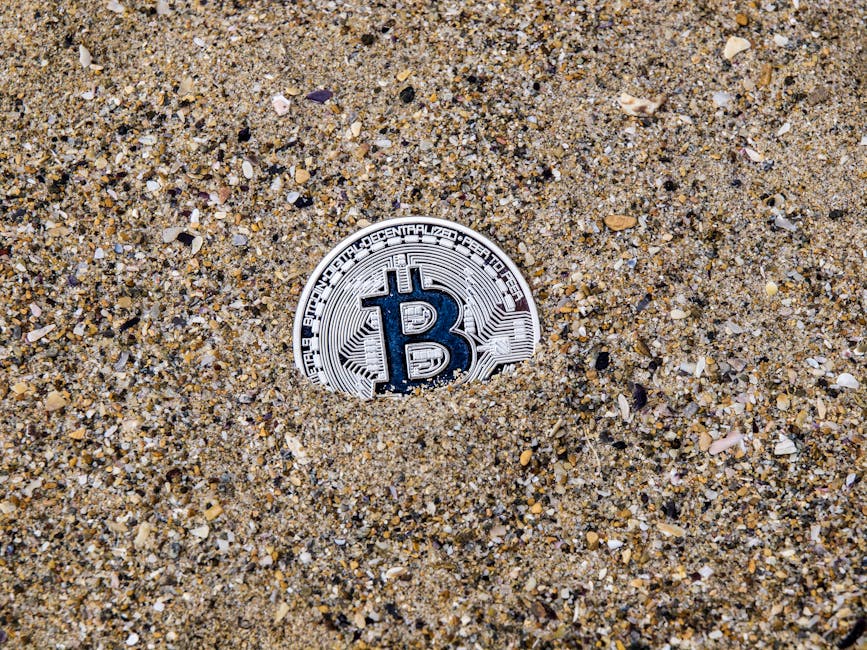
Iran has introduced Hormuz Safe, a digital maritime insurance platform that accepts exclusively bitcoin payments, marking a novel approach to circumventing international financial sanctions on the country’s shipping sector.
The platform issues compliance certificates for vessels transiting the Strait of Hormuz, a chokepoint through which roughly one-third of the world’s maritime petroleum trade flows. Rather than covering conventional maritime risks such as hull damage or cargo loss, Hormuz Safe addresses geopolitical exposures including ship inspections, cargo seizures, and sanctions-related complications.
The initiative represents Iran’s latest effort to maintain maritime commerce despite restrictions imposed through the SWIFT financial system. By operating exclusively in bitcoin, the platform bypasses traditional banking channels subject to international oversight and sanctions enforcement.
A Political Tool Disguised as Insurance
Industry observers characterize Hormuz Safe less as a legitimate insurance product and more as what experts describe as a “political toll.” The platform’s core function centers on providing governmental certificates rather than underwriting standard maritime risks covered by traditional insurers.
According to maritime insurance professionals, the Iranian government expects the platform to generate approximately 10 billion USD. This revenue target underscores the initiative’s primary purpose as a state financing mechanism rather than a commercial insurance venture.
Steve Ogullukian, Deputy Global Director of Underwriting and Reinsurance at the American P&I Club, contextualized the broader landscape: “Never was there a situation where insurers said they did not cover ships in the Gulf. They just started charging much more.” This observation highlights how established insurers have historically managed geopolitical risk through premium adjustments rather than coverage denial.
Legal and Regulatory Concerns
The platform’s operations have triggered scrutiny from international maritime lawyers, who argue that Hormuz Safe may contravene provisions of the UN Convention on the Law of the Sea regarding freedom of navigation. The convention establishes principles protecting vessels’ rights to transit international straits without undue interference or discriminatory treatment.
Hormuz Safe’s requirement that ships obtain Iranian-issued certificates to navigate safely through the Strait raises questions about whether such practices constitute improper barriers to transit rights recognized under international maritime law.
Implications for European Shipping
The emergence of Hormuz Safe reflects broader tensions within global shipping and finance affecting European operators. European shipowners and insurers face mounting complexity in navigating sanctions compliance while maintaining access to strategic trade routes. The platform’s bitcoin-based model also signals potential future adoption of cryptocurrency in circumventing traditional financial restrictions, a development likely to attract regulatory attention from EU authorities overseeing financial services and sanctions enforcement.