
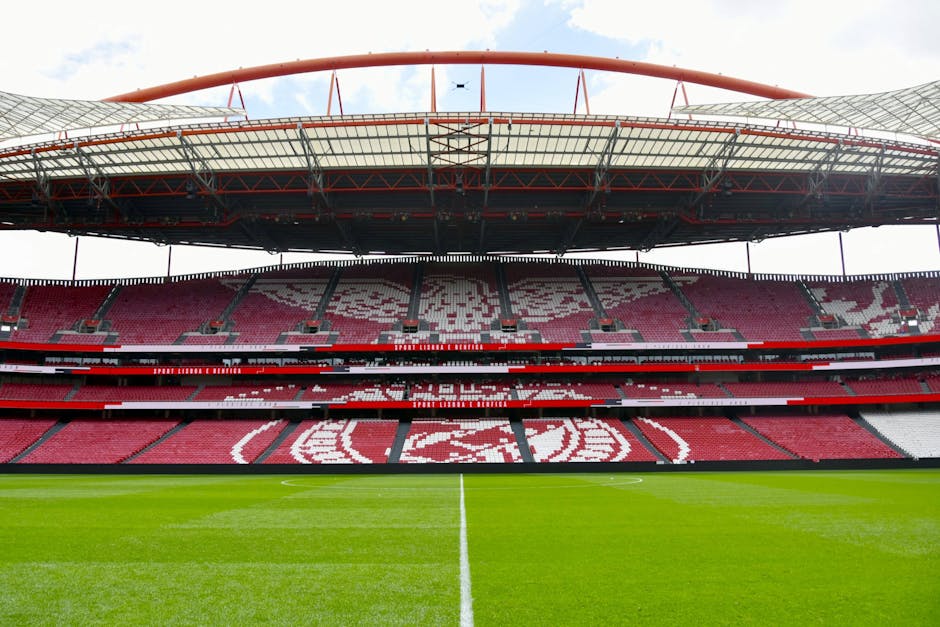
Benfica SAD, the sports company of Portuguese football club Benfica, is evaluating whether to block American investor Tim Leiweke’s acquisition of a significant stake in the organization, citing potential conflicts of interest arising from his existing investments in competing European football clubs.
The proposed transaction would grant Leiweke and his consortium a 16% stake in Benfica SAD at a valuation of €10+ per share. However, club representatives are considering activating article 13 of Benfica’s internal statutes to reject the acquisition. According to Benfica, “The article 13 of the club’s statute gives it the right to block acquisitions of stakes above 2% by investors considered to have competing interests.”
Investment Consortium and Competing Interests
Leiweke leads a consortium alongside his daughter Francesca Bodie and Entrepreneur Equity Partners SPV V, LLC in this investment attempt. The group recently demonstrated significant financial commitment to European football by investing €100 million in Italian Serie A club Venezia FC. This investment appears central to Benfica’s concerns about competing interests within the proposed stake acquisition.
The conflict-of-interest argument centers on Leiweke’s dual involvement in multiple European clubs, which Benfica views as potentially incompatible with his stake in the Portuguese organization. The club’s statute provides explicit mechanisms to prevent such situations, demonstrating how European football clubs have embedded protective measures into their governance structures.
Regulatory Framework and Club Autonomy
The invocation of article 13 represents a significant moment in how football clubs exercise governance rights over their ownership structures. Rather than relying solely on external regulatory bodies, Benfica is prepared to utilize internal mechanisms to maintain control over strategic stakeholder decisions. This approach reflects broader European football governance practices, where clubs retain considerable autonomy in determining their capital structure and investor base.
The evaluation process underway at Benfica SAD suggests that internal regulations may prove as consequential as external oversight in determining major ownership changes within European sports organizations. The club has not yet made a final determination but is actively assessing its legal options under existing statutory provisions.
Broader European Football Investment Landscape
This situation illuminates ongoing tensions within European football regarding investor participation across multiple clubs. While cross-border investment in European football clubs has increased significantly in recent years, competing interests remain a contentious governance issue. Major European football organizations continue debating how to balance attracting international capital with protecting competitive integrity and preventing conflicts of interest.
Benfica’s potential action reflects these broader ecosystem concerns as European clubs increasingly scrutinize investor backgrounds and existing football commitments. The outcome of this evaluation could establish precedent for how other European football organizations approach multi-club investor scenarios.