
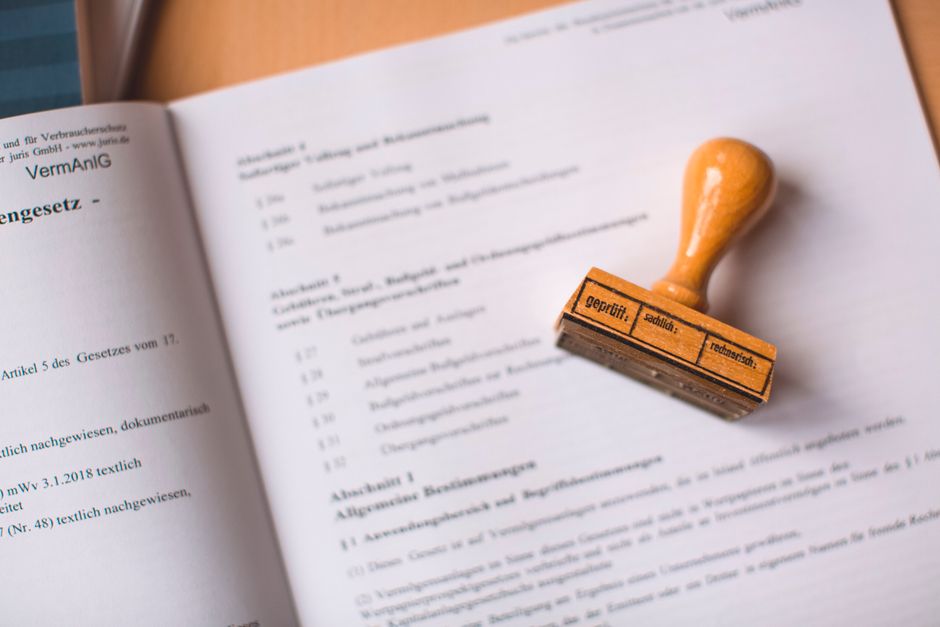
Dawn Technology has partnered with Media Campus NL and Dutch public broadcaster VPRO to launch Verifieermij.nl, an open-source tool designed to verify the authenticity and provenance of digital images through C2PA (Coalition for Content Provenance and Authenticity) digital signatures.
The collaborative initiative represents a notable development in efforts to combat misinformation and establish trust in digital media. VPRO’s decision to integrate C2PA technology into its editorial workflow marks the first real-world deployment of this digital signature system within the Dutch media sector, positioning the organization as a pioneer in adopting content provenance standards.
Verification Through Open Standards
Verifieermij.nl functions by examining C2PA provenance data embedded within digital images, allowing journalists and editorial teams to verify that images have not been manipulated or misrepresented. The tool’s name, which translates to “Verify Me” in English, reflects its straightforward purpose: enabling media professionals to authenticate visual content with greater confidence.
The technical infrastructure underpinning the project draws on established industry standards for content authentication. Rather than developing proprietary solutions, the partners opted for an open-source approach, making the tool’s code available on GitHub. This decision facilitates broader adoption and allows other organizations to test, evaluate, and adapt the technology for their specific needs.
Expanding Beyond VPRO
While VPRO serves as the initial implementation partner, the release of code on GitHub signals the developers’ intention to encourage wider deployment across the European media landscape. The open-source model removes potential barriers to entry for smaller publications and media organizations that might lack resources to develop verification systems independently.
The pilot project demonstrates practical application of content provenance technology in a live editorial environment. VPRO’s integration of C2PA signatures into its workflow required adjustments to existing publishing processes, suggesting that broader adoption will necessitate similar institutional changes across the media sector.
Broader Industry Context
The initiative comes at a time when European media organizations face increasing pressure to implement technological solutions that enhance editorial credibility. As deepfakes and synthetic media become more sophisticated, establishing verifiable chains of custody for digital content has become a strategic priority for news organizations seeking to maintain audience trust.
The Netherlands has emerged as a notable hub for media technology innovation in recent years. Projects like Verifieermij.nl reflect growing recognition across European newsrooms that industry-wide standards for content authentication serve the broader public interest.
The success of this pilot project may influence how other European broadcasters and news organizations approach image verification. Should adoption accelerate, the open-source availability of the tool could contribute to the standardization of content provenance practices across the continent’s media ecosystem.