
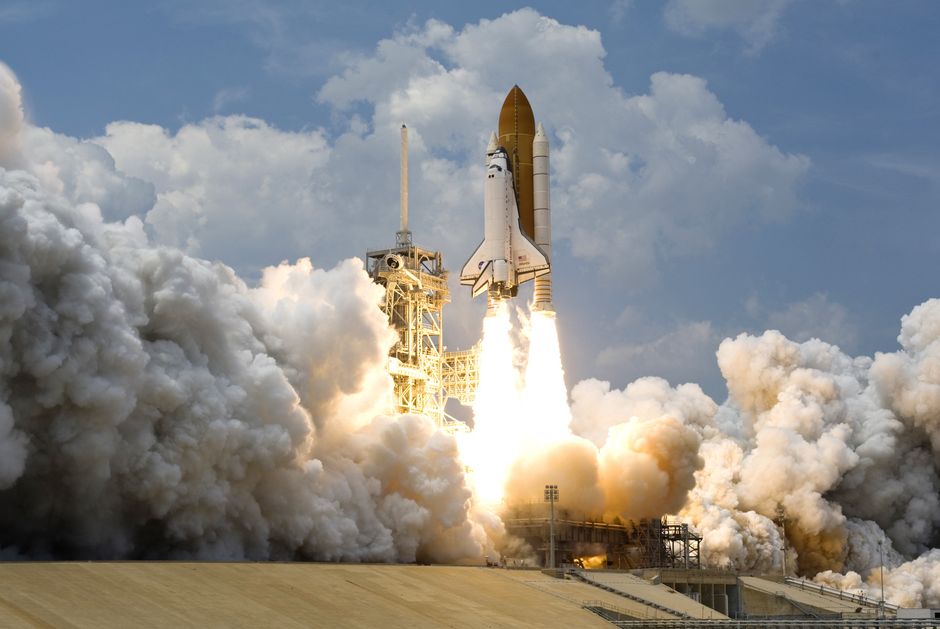
Isar Aerospace has successfully launched its second rocket and reached orbit for the first time, marking a significant achievement for the German spacetech company and a milestone for Europe’s commercial launch sector.
The Munich-based company, founded in 2018, has now demonstrated its ability to reliably execute orbital missions, a critical capability for establishing independent European access to space. The successful launch follows the company’s inaugural flight and represents a substantial step forward in proving the viability of its launch vehicle technology and operational procedures.
Building momentum in commercial spaceflight
Isar Aerospace has positioned itself as a key contender in the competitive global launch services market. The company’s progress reflects the broader European push to reduce dependence on non-European launch providers and develop homegrown capabilities for deploying satellites and payloads to orbit. Having reached orbit on its second attempt, the startup demonstrates the technical competence and operational discipline required to sustain a commercial launch business.
The achievement underscores the company’s engineering capabilities and validates the design choices made during its development phase. Success on an orbital mission requires precision across multiple systems and stages, from ground operations through atmospheric flight to the critical orbital insertion phase. Isar Aerospace’s ability to execute this complex sequence successfully positions it favourably for securing future commercial contracts and government contracts within Europe.
Funding and trajectory
The company has raised €140 million in total funding to date, reflecting investor confidence in its business model and technical approach. The funding has enabled Isar Aerospace to advance through development and early operational stages, investing in manufacturing capabilities, ground infrastructure, and mission operations expertise.
Expanding European launch capacity
Europe has long sought to strengthen its independent launch capabilities. Isar Aerospace’s success contributes to a broader ecosystem of emerging European launch providers working to offer competitive, responsive access to space. The company’s development of a dedicated launch vehicle tailored to the small-to-medium lift capacity market fills a particular gap in European launch services, complementing larger governmental programmes and addressing demand from commercial satellite operators, Earth observation companies, and other emerging space sectors.
The milestone also reflects broader trends in the European startup landscape, where companies are increasingly tackling infrastructure-scale challenges in the space sector. From launch services to in-orbit manufacturing and satellite technologies, European entrepreneurs are building capabilities that were previously the exclusive domain of government space agencies.
As Isar Aerospace moves forward from this successful orbital mission, the company faces the challenge of translating technical achievement into sustained commercial operations. Future launches will be critical for establishing flight cadence reliability and capturing market share in an increasingly competitive global launch services sector. The company’s progress represents an important step toward the European space industry’s goal of maintaining autonomous and competitive access to orbit.