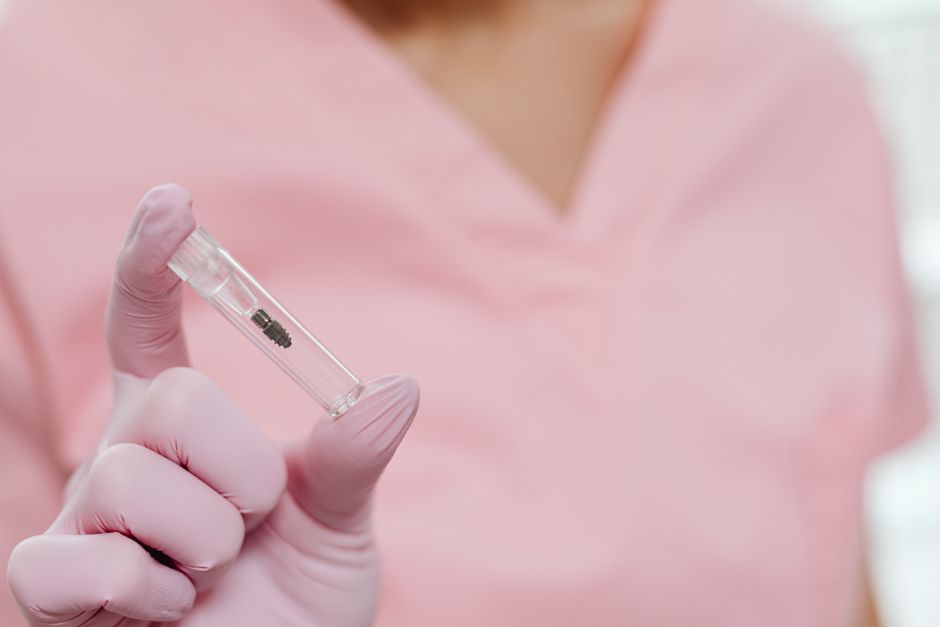
Salvia BioElectronics, an Eindhoven-based medical device developer, has secured €25 million in venture debt financing from the European Investment Bank (EIB) under the InvestEU programme. The capital injection will support the continued clinical development of the company’s MySalvia neuromodulation system, an ultra-thin implantable therapy designed for patients with resistant migraine.
The funding brings Salvia’s total capital raised to €78 million since its founding in 2017. The venture debt round follows the company’s €53 million Series B financing, which was completed in 2023 and established Salvia as a significant player in the European neuromodulation space.
Accelerating Clinical Pathways
Salvia plans to deploy the new capital toward multiple strategic objectives, including advancing the pivotal RECLAIM-II clinical trial in the United States, preparing regulatory submissions for key markets, and scaling manufacturing capabilities to support commercialisation. The MySalvia System represents a novel approach to managing chronic migraine in patients who have not responded to conventional treatments, addressing a substantial clinical need across Europe and globally.
“Salvia is yet another example of cutting-edge European innovation aimed at improving the lives of people, originating in the Netherlands,” said Robert de Groot, Vice-President of the EIB. “Living with migraine, a chronic disease that places a substantial burden on patients and families, affects quality of life, education and employment. The EIB Group supports research and development to make sure that innovators have the access to finance they need to grow and thrive in Europe.”
Strategic Support for European Innovation
The EIB’s backing underscores the institution’s commitment to supporting early-stage and growth-stage European medtech companies navigating the complex path to commercialisation. Venture debt financing, as opposed to traditional equity rounds, allows companies like Salvia to extend their runways and fund critical development milestones without requiring significant dilution to existing shareholders.
Resistant migraine represents a substantial opportunity for innovative treatments. Despite the availability of existing therapies, a significant patient population experiences inadequate symptom control, creating demand for novel neuromodulation-based interventions. Salvia’s implantable approach differentiates itself through miniaturisation and ease of implantation compared to existing alternatives.
The financing reflects growing investor confidence in European medtech innovation, particularly within the neuromodulation and implantable device sectors. The continent has established itself as a global centre for advanced medical technology development, with companies increasingly attracting international capital to support clinical validation and regulatory approval pathways.
As Salvia progresses through its clinical development programme, the company joins a cohort of European medtech firms leveraging public financing instruments and venture capital to bring transformative treatments to market. The EIB’s engagement signals continued institutional support for the region’s healthcare innovation ecosystem during a period of significant advancement in neuromodulation technologies.