
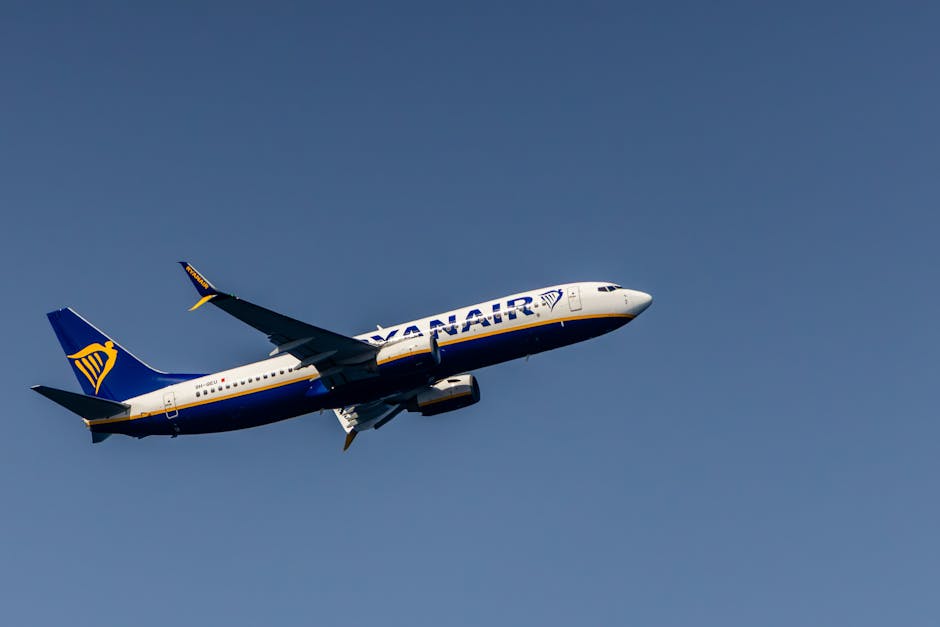
Ryanair, Europe’s largest low-cost airline, has announced record net profits of €2.26 billion (approximately $2.475 billion USD) for the 12 months ending March 31, marking a significant 40% increase year-on-year. The Dublin-based carrier attributed the exceptional financial performance to a combination of reduced operational expenses, increased passenger volumes, and higher fare revenues across its network.
Stable Pricing and Fuel Strategy Bolster Margins
The airline’s financial strength has allowed management to maintain confidence in pricing stability throughout the critical summer travel season. Ryanair has signalled that ticket prices are expected to remain stable during peak summer months, providing reassurance to both consumers and investors amid ongoing macroeconomic uncertainties.
A key factor underpinning the company’s resilience is its conservative fuel hedging approach. The airline has secured 80% of its aviation fuel requirements for fiscal year 2027 at approximately $67 per barrel, a position that provides substantial protection given current market dynamics. As crude oil spot prices have climbed beyond $150 per barrel, Ryanair’s hedging strategy has become increasingly valuable.
“The current conservative fuel hedging strategy of Ryanair – 80% of aviation fuel for fiscal year 2027 is hedged at approximately 67 dollars per barrel until April 2027 – will protect the group’s results in the current highly volatile oil markets and will widen the cost advantage against EU competitors for the remainder of fiscal year 2027,” the company stated in its announcement.
Leadership Continuity Through 2032
In parallel with its financial announcement, Ryanair’s board has initiated contract extension negotiations with Chief Executive Officer Michael O’Leary, with discussions targeting an agreement that would extend his tenure through April 2032. The move signals the board’s confidence in current leadership as the airline navigates a complex operating environment characterised by geopolitical tensions affecting global fuel supplies.
The airline’s assessment of fuel supply risks has also evolved positively, with management indicating that threats to jet fuel availability have diminished despite ongoing Middle East tensions that continue to influence international energy markets.
European Context
Ryanair’s strong financial performance underscores the resilience of Europe’s aviation sector, which has rebounded substantially following pandemic disruptions. The carrier’s ability to post record profits while maintaining competitive pricing reflects strong demand for air travel across the continent. However, the airline’s reliance on sophisticated fuel hedging strategies highlights the persistent challenge that volatile energy markets pose to European carriers. As traditional competitors adapt to changing cost structures and new entrants evaluate market opportunities, Ryanair’s operational efficiency and financial management continue to position it as a dominant force within European low-cost aviation. The airline’s outlook suggests that despite macroeconomic headwinds, travel demand across European routes remains robust heading into the summer season.