
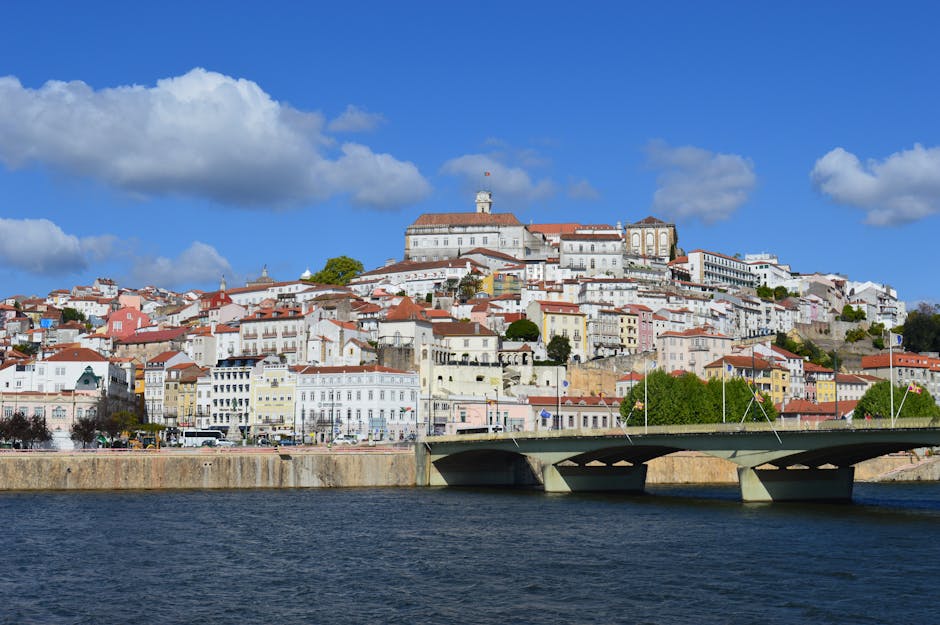
Metro Mondego, the electric metrobus system operating across Coimbra, Lousã, and Miranda do Corvo in central Portugal, has achieved a significant operational milestone by recording one million validations since introducing its paid fare system. The achievement underscores strong user adoption and demonstrates that demand for the service is outpacing initial projections.
The system has performed 20% above expected demand levels despite transitioning to a paid model, a particularly notable outcome in the context of public transportation adoption patterns. Monthly validation figures reveal accelerating growth, with April registrations climbing 57.4% compared to January figures, indicating sustained and increasing user engagement with the service.
Government Backs Regional Expansion
In a move signaling confidence in the metrobus model’s viability, Portugal’s Government has announced it is actively discussing plans to expand the Mondego Mobility System (SMM) beyond its current service area. The proposed expansion would extend coverage to additional municipalities including Cantanhede and Condeixa-a-Nova. A strategic element of this expansion involves coordinating service integration with Portugal’s upcoming high-speed rail station, positioning the metrobus as a connecting transit solution within a broader mobility network.
The expansion reflects growing recognition of electric metrobus systems as critical infrastructure for regional connectivity. Miguel Pinto Luz, a key figure in the project’s development, highlighted the tangible impact of the system on traffic patterns and urban congestion. “A number that is absolutely relevant and revealing of what the Government and local authorities intend with the use of this type of mechanisms: we removed 750,000 cars from the territory,” Luz stated, emphasizing the system’s role in reducing vehicle traffic across the region.
Broader European Context
Metro Mondego’s success arrives amid increasing European focus on sustainable public transportation solutions. Across the continent, cities and regions are investing in electric and zero-emission transit systems to meet climate objectives and urban mobility challenges. Portugal’s approach with the Mondego system represents a model gaining traction elsewhere in Europe, where coordinated regional transit networks and integration with rail infrastructure are becoming priorities for both national governments and local authorities.
The strong performance metrics from a paid public transit system in a mid-sized Portuguese region suggest viable pathways for sustainable transport financing and operation. As European cities grapple with balancing environmental goals, user demand, and financial sustainability, examples like Metro Mondego provide empirical data on consumer acceptance and traffic reduction potential that informs policy discussions across the continent.