
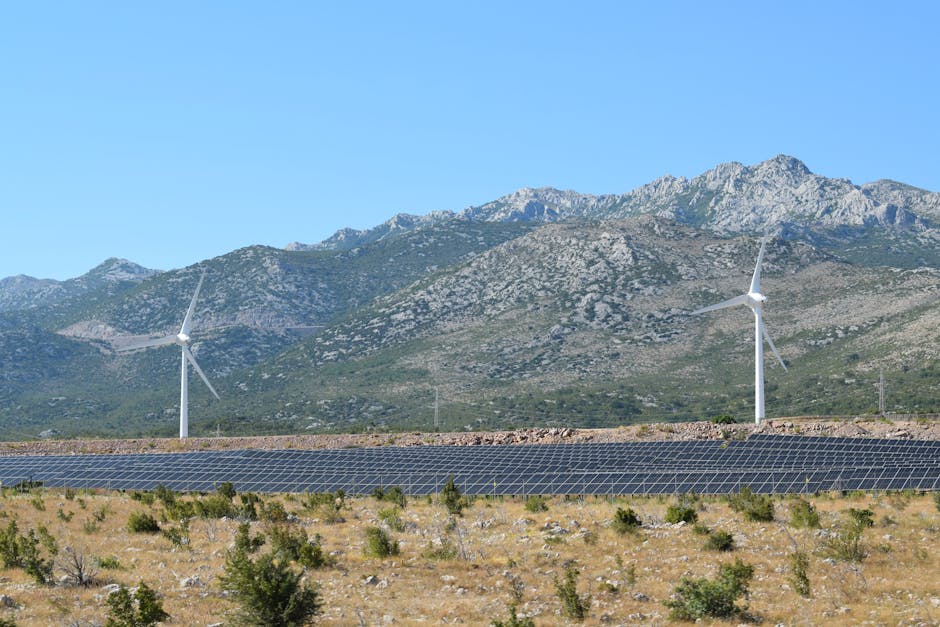
Engie has announced a series of hybrid renewable energy projects in northeastern Portugal that blend wind and solar generation with existing hydroelectric infrastructure. The initiative, presented in the Transmontano region, represents a strategic approach to maximizing energy output from established water management facilities.
Multi-facility renewable expansion
The portfolio includes a substantial wind park development at the Picote hydroelectric facility, designed to deliver 157.5 MW of capacity. Complementing this wind investment, Engie has also proposed solar projects at three hydroelectric locations: Bemposta, Baixo Sabor, and Foz Tua. These solar installations are expected to generate a combined 354 MWp (megawatts peak), creating a geographically distributed network of complementary renewable energy sources.
The hybridization approach leverages existing infrastructure and land associated with Portugal’s hydroelectric network, potentially reducing environmental footprint while diversifying energy generation methods. By integrating wind and solar with hydroelectric capacity, the projects aim to create more stable and balanced energy output across varying weather conditions and seasonal patterns.
Community engagement emphasized
Portugal’s Environment and Energy Minister highlighted the importance of stakeholder involvement in renewable energy development during discussions of the initiative. According to Minister Maria da Graça Carvalho, “Como política geral, este Governo tem a orientação de que os promotores conversem com as populações e com os autarcas e arranjar uma forma de os envolver desde o início [destes processos]”—emphasizing that as general policy, the government directs energy developers to engage with local populations and municipal authorities, finding ways to involve them from the project’s inception.
This statement underscores a broader shift in Portugal’s renewable energy strategy toward ensuring transparency and community participation in the development process, particularly as the country accelerates its clean energy transition.
European context
The projects align with Portugal’s commitment to renewable energy expansion and the European Union’s broader climate objectives. Portugal has emerged as a leader in renewable energy adoption within Europe, with hydroelectric power historically providing a significant portion of the country’s electricity supply. These hybrid projects represent an evolution in how European utilities are approaching renewable infrastructure—moving beyond single-technology installations toward integrated systems that maximize efficiency across complementary energy sources.
The initiative also reflects wider trends across the EU startup and established energy sectors, where companies are increasingly exploring hybrid renewable solutions to meet decarbonization targets while addressing grid stability challenges. As European nations work toward ambitious climate goals, projects that intelligently combine existing infrastructure with new renewable capacity have become particularly valuable in the transition away from fossil fuels.