
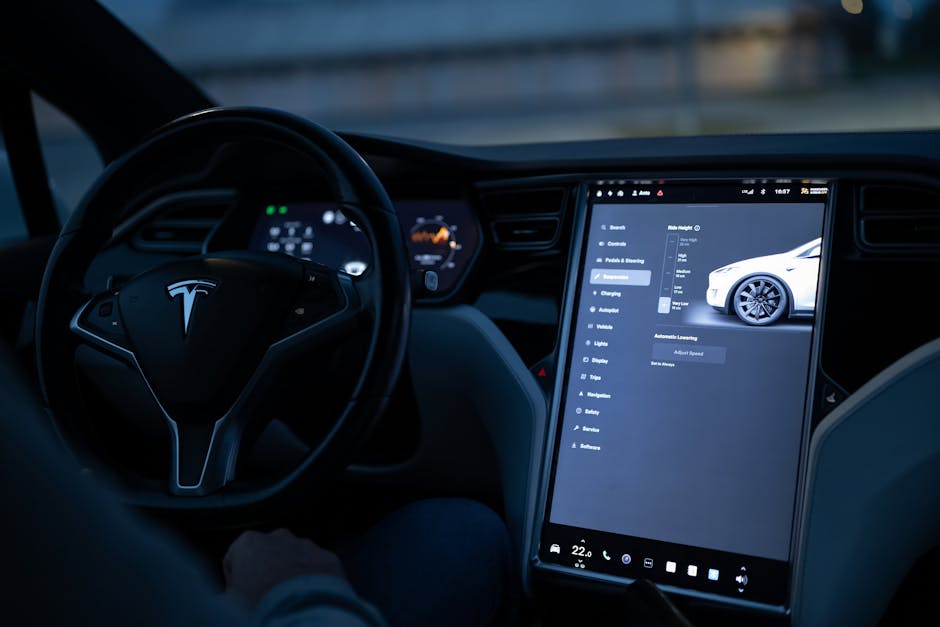
Tesla is bringing its Full Self-Driving software to European markets, signaling the company’s commitment to expanding its autonomous vehicle capabilities across the continent. The move represents a notable development in the mobility sector as major automotive players race to deploy advanced driver-assistance and autonomous technologies in regulated European environments.
Expanding Autonomous Capabilities Across Europe
The expansion of Tesla’s Full Self-Driving software into Europe follows the company’s successful rollout in North American markets. This development comes at a time when European regulators are establishing frameworks for autonomous vehicle deployment, creating both opportunities and challenges for companies looking to introduce self-driving technologies to the region.
Tesla’s decision to enter European markets with its Full Self-Driving capabilities demonstrates the company’s strategic focus on establishing itself as a leader in autonomous mobility technology globally. The expansion requires navigating complex regulatory landscapes across multiple European countries, each with distinct requirements for vehicle automation systems.
Navigating European Regulatory Environment
The introduction of Tesla’s Full Self-Driving software in Europe arrives amid increasing regulatory scrutiny of autonomous vehicle systems. European authorities have been developing comprehensive standards for vehicle automation, requiring companies to demonstrate safety compliance and data protection measures before deployment.
This expansion positions Tesla alongside other automotive manufacturers and technology companies developing autonomous vehicle solutions for the European market. The competitive landscape in autonomous driving has intensified as traditional automakers and technology firms invest heavily in self-driving technology development.
Implications for the European Startup Ecosystem
Tesla’s expansion into European markets with its autonomous driving software underscores the growing importance of mobility technology in the continent’s innovation landscape. While Tesla operates at a different scale than most European startups, the company’s market entry creates both direct and indirect impacts on the broader European automotive and mobility sectors.
European startups focused on autonomous vehicle components, mapping technology, sensor development, and vehicle safety systems continue to develop solutions that complement broader autonomous driving ecosystems. Companies across the continent are working on specialized technologies addressing specific challenges in autonomous vehicle deployment, from lidar systems to software validation platforms.
The arrival of established players like Tesla with advanced autonomous capabilities may accelerate European companies’ innovation cycles and attract additional investment to the region’s mobility technology sector. Simultaneously, the regulatory frameworks being developed across Europe continue to shape how all companies, from established manufacturers to emerging startups, approach autonomous vehicle development and deployment.
As Tesla establishes itself in European markets with Full Self-Driving technology, the continent’s startup ecosystem faces both competition and opportunity within the rapidly evolving autonomous mobility landscape.