
Soler, a biochar production company based in Gyé-sur-Seine, France, has undergone a significant debt restructuring in 2024 as it continues to grapple with the financial challenges inherent in scaling sustainable materials production.
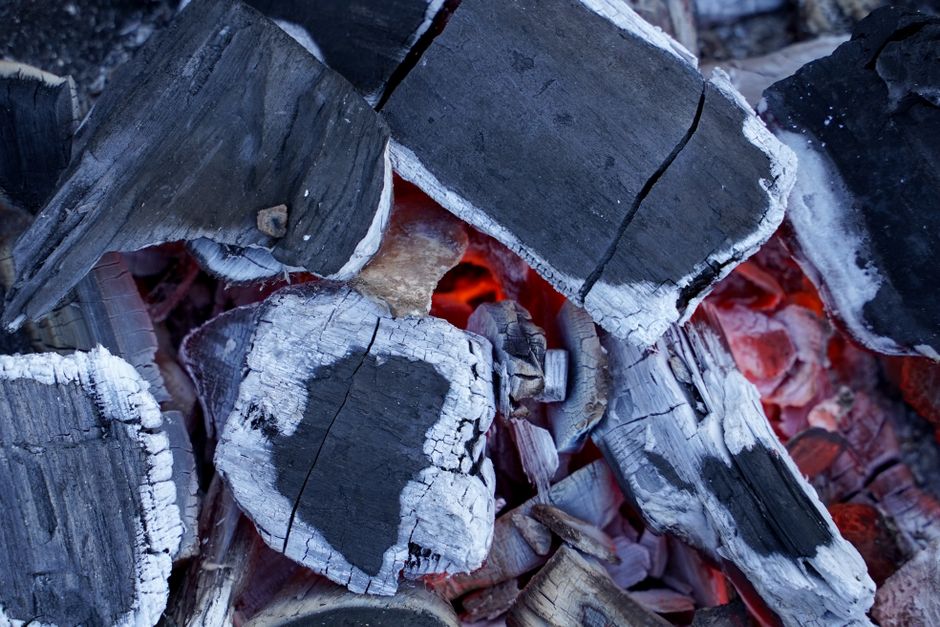
Founded in 1993, Soler operates three biorefineries across France and has established itself as a key supplier of biochar—a carbon-rich material produced from organic waste—to both agricultural and industrial customers. The company supplies charcoal to farmers seeking to improve soil health and to a major cement factory looking to reduce its environmental footprint. These partnerships underscore the growing demand for sustainable alternatives in sectors traditionally dependent on carbon-intensive processes.
Navigating Financial Headwinds
Despite securing a 20-year electricity purchase contract designed to provide long-term cost stability, Soler continues to face substantial profitability challenges. The company’s struggle reflects a broader tension in the cleantech sector: while market demand for sustainable materials is rising, the operational costs of producing them remain high relative to conventional alternatives.
The 2024 debt restructuring represents a critical moment for the firm, backed by French and Swiss investors. Rather than signal an impending closure, the move appears designed to extend the company’s runway while it works toward operational efficiency. Industry observers note that biochar production facilities require significant capital investment and ongoing operational expenses, making financial sustainability dependent on either cost reductions or premium pricing for environmental benefits.
Long-Term Vision Over Short-Term Returns
Soler’s situation exemplifies the challenges faced by established European cleantech firms attempting to scale production while maintaining financial viability. Anne Mette Lekdorf, a figure associated with the company’s operations, articulated the mindset required to sustain such ventures: “If you don’t believe it, you can’t do it. It’s much easier not to produce and import.”
This sentiment captures the persistent conviction required from founders and investors in the biochar sector, where margins remain thin and competition from imported charcoal remains fierce. The comment also highlights a strategic choice: producing biochar domestically in France, rather than importing finished products, carries higher costs but aligns with circular economy principles and reduces supply chain vulnerabilities.
Broader European Context
Soler’s experience reflects wider dynamics in the European cleantech ecosystem, where companies operating in materials science and sustainable production face a critical gap between venture funding availability and the patient capital required for industrial-scale operations. While biochar has gained recognition as a climate solution—capable of sequestering carbon while improving soil quality—the path from pilot production to profitable scale remains uncertain for many firms.
As Europe pushes toward climate neutrality and circular economy targets, the financial viability of companies like Soler will increasingly depend on supportive policies, carbon pricing mechanisms, and market premiums that reflect the environmental value of sustainable materials.