
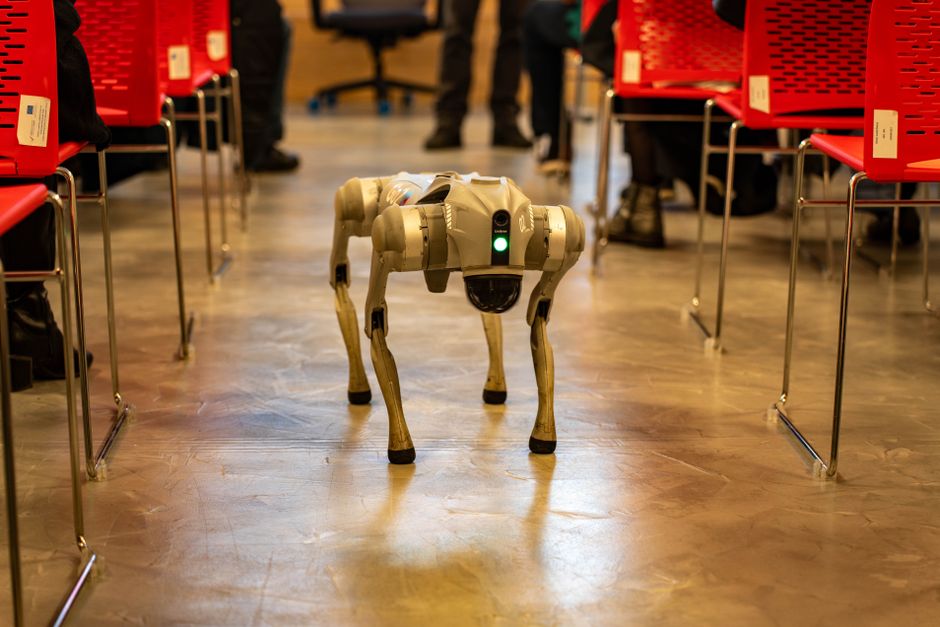
Universal Robots, the Danish collaborative robotics pioneer based in Odense, has introduced its seventh-generation platform at the IMTS trade fair. The Gen 7 robotic system represents a significant step forward in integrating physical artificial intelligence with industrial automation capabilities.
The new platform consolidates Universal Robots’ technological advancements into a unified architecture designed to streamline the implementation of automation solutions across manufacturing environments. By combining physical AI with enhanced industrial automation features, the Gen 7 aims to address practical deployment challenges that factories face when adopting robotic systems at scale.
Bridging Physical AI and Factory Automation
The introduction of Gen 7 reflects growing industry momentum around physical AI—artificial intelligence systems that can perceive, understand, and interact with the physical world. Universal Robots’ approach emphasizes making these capabilities more accessible to manufacturers of varying sizes and technical sophistication levels.
The platform’s unified design suggests an effort to reduce complexity in robotic deployment, potentially lowering barriers for companies seeking to automate their operations. By integrating multiple functions into a cohesive system, Universal Robots appears positioned to address both technical and operational hurdles that industrial customers encounter.
Timing at a Major Industry Event
The IMTS exhibition provided a strategic venue for the announcement, as the trade fair attracts manufacturers and automation specialists from across the globe. This timing allows Universal Robots to showcase the Gen 7 platform alongside competing solutions and to engage directly with potential customers and industry partners evaluating their automation strategies.
Context Within the European Startup Ecosystem
Founded in 2005, Universal Robots has evolved from a startup into a significant player in the collaborative robotics sector. The company’s trajectory from Odense to international prominence demonstrates Denmark’s capabilities in producing innovative industrial technology companies.
The Gen 7 launch underscores broader European efforts to maintain technological leadership in industrial automation and AI-driven manufacturing. As manufacturers worldwide navigate digital transformation and seek competitive advantages through automation, European companies like Universal Robots continue developing solutions that address real-world factory challenges.
The European robotics sector remains particularly strong in collaborative and industrial applications, with companies across Denmark, Germany, and other nations competing to integrate advanced AI capabilities into their platforms. Universal Robots’ investment in physical AI integration reflects this competitive landscape, where differentiation increasingly depends on sophisticated artificial intelligence capabilities rather than mechanical advancement alone.
The Gen 7 platform launch signals that the company remains committed to innovation in an evolving market where automation, AI, and industrial efficiency intersect. As factories worldwide face labor constraints and pressure to increase productivity, solutions like Universal Robots’ latest offering may play a central role in reshaping modern manufacturing operations.