
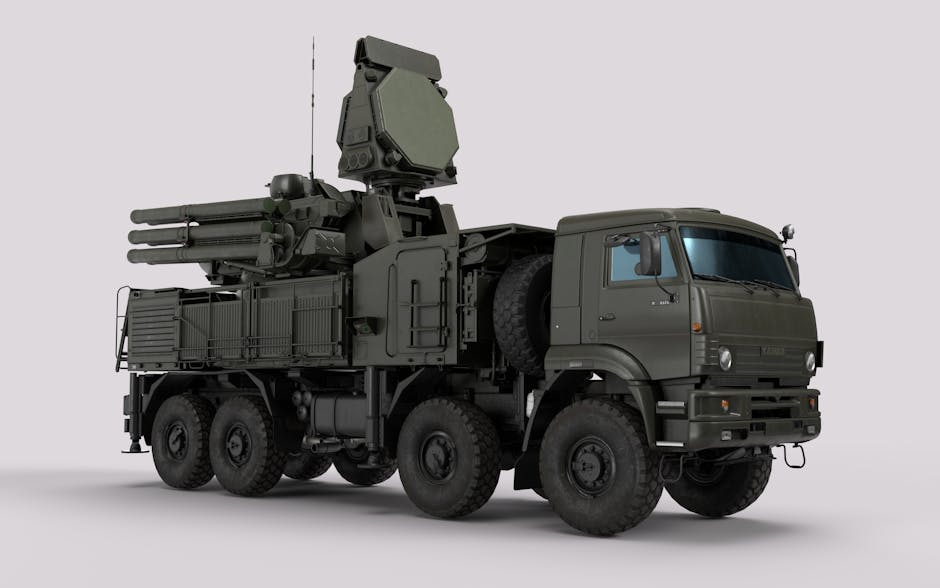
Ford Motor Company is pursuing a significant new business avenue by engaging in negotiations with multiple governments across North America and Europe regarding the supply of commercial vehicles and advanced software technologies for defense applications.
The discussions represent a strategic pivot for the Detroit-based automotive manufacturer, which seeks to leverage its commercial vehicle portfolio and technological capabilities to meet evolving military requirements. Chief Executive Officer Jim Farley has publicly acknowledged that the company is actively engaged in talks with the US government about supplying vehicles and systems tailored to defense sector needs.
Expanding Into Defense Markets
The scope of Ford’s ambitions extends well beyond American borders. According to the company, “Desde o ano ano passado, vários governos da América do Norte e Europa estão envolvidos com a Ford para discutir como os nossos veículos comerciais altamente capazes e tecnologias de ponta poderiam responder às suas necessidades modernas de defesa,” Ford Motor Company stated.
The negotiations remain in their early stages, with no final agreements or funding amounts currently disclosed. The exact nature of the vehicles and software under discussion has not been detailed, though the company’s commercial vehicle division and technology platforms appear central to these discussions.
This move reflects broader shifts in how traditional automakers are responding to geopolitical developments and increased military spending among developed nations. Defense procurement represents a distinct revenue stream separate from consumer automotive markets, potentially offering more stable, long-term contracts for manufacturers willing to meet specialized military requirements.
Competitors Following Similar Paths
Ford is not alone in exploring defense sector opportunities. European automotive giants Mercedes-Benz and Volkswagen are similarly evaluating possibilities within defense production, signaling a broader industry trend toward diversifying into military supply chains.
The timing of these negotiations aligns with increased defense budgets and modernization initiatives across NATO members and other Western governments. Rising geopolitical tensions have prompted several nations to reassess their military vehicle fleets and technological capabilities, creating opportunities for established manufacturers to compete for contracts traditionally held by dedicated defense contractors.
Broader Ecosystem Implications
For the European startup ecosystem, these developments underscore how established automotive players are increasingly competing in adjacent sectors. While startups have traditionally dominated innovation in areas like autonomous vehicle technology and software solutions, this expansion by legacy automakers into defense supplies demonstrates how capital-intensive industries continue to consolidate opportunities through established companies with manufacturing scale and government relationships.
The negotiations also highlight the evolving relationship between commercial technology and defense applications, particularly regarding software systems that can transition between civilian and military use cases. As European startups continue developing cutting-edge automotive and software technologies, the pathways to scale through partnerships with traditional manufacturers or direct government contracts remain viable growth strategies within the continent’s competitive innovation landscape.