
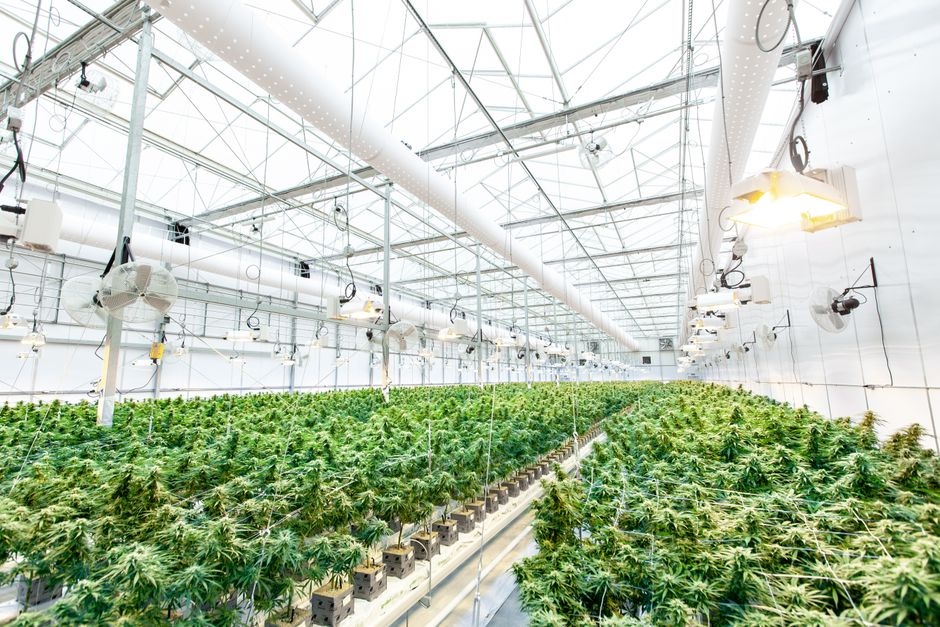
BioCircular Fiber, a Spanish cleantech startup, has begun operations at the country’s first industrial-scale hemp fiber processing plant in Seville, marking a significant step toward developing a domestic sustainable materials supply chain in Spain.
The facility transforms locally cultivated hemp into multiple products, including textile fiber, construction materials, and animal bedding. By establishing this production capacity within Spain’s borders, BioCircular Fiber aims to reduce the country’s dependence on imported fibers while creating a traceable, locally sourced alternative to conventional materials derived from petroleum-based or water-intensive sources.
Addressing Import Dependency
Spain’s textile and construction sectors have historically relied on imported fibers, with limited domestic capacity for processing natural materials at an industrial scale. The Seville plant addresses this gap by creating an end-to-end supply chain that begins with regional hemp cultivation and culminates in finished fiber products ready for use by manufacturers across multiple industries.
Hemp fiber offers several advantages over traditional alternatives. The material is biodegradable, requires less water than conventional cotton production, and can be grown without intensive pesticide use. For construction applications, hemp-based composites provide lightweight yet durable properties, while the bedding product serves the livestock sector with an absorbent, sustainable option.
Local Sourcing and Traceability
A key component of BioCircular Fiber’s approach is maintaining full traceability throughout the supply chain. By working with local hemp growers and processing the material domestically, the startup enables customers to verify the origin and production methods of their raw materials—a growing requirement among brands seeking to demonstrate genuine sustainability credentials rather than relying on imported materials with unclear provenance.
This model aligns with broader European sustainability goals and the EU’s circular economy framework, which emphasizes reducing waste, extending product lifecycles, and sourcing materials responsibly. Spain’s agricultural tradition and climate make hemp cultivation viable in various regions, providing the startup with a stable supply foundation.
Wider European Context
BioCircular Fiber’s expansion represents a broader trend within Europe’s cleantech sector, where entrepreneurs are developing alternative supply chains for sustainable materials. Similar initiatives across the continent—from bio-based packaging startups to regenerated fiber producers—reflect growing demand from fashion brands, construction companies, and manufacturers seeking locally produced alternatives to imports.
The European textile and construction industries face mounting pressure to reduce environmental footprints and increase supply chain transparency. Startups addressing these challenges through domestic production capacity and traceable sourcing are gaining attention from businesses navigating stricter regulations and evolving consumer expectations around sustainability.
The Seville facility demonstrates that Europe possesses the agricultural resources, technical expertise, and market demand necessary to develop competitive domestic alternatives to imported materials, potentially reshaping how the continent sources fibers for its manufacturing sectors.