
Helsing, a Munich-based defense technology company, is raising $1.2 billion USD in a new funding round that values the company at $18 billion, according to reports. The valuation marks a historic milestone for the German startup ecosystem, making Helsing the most valuable German startup ever created, surpassing previous record holders Trade Republic and Celonis.
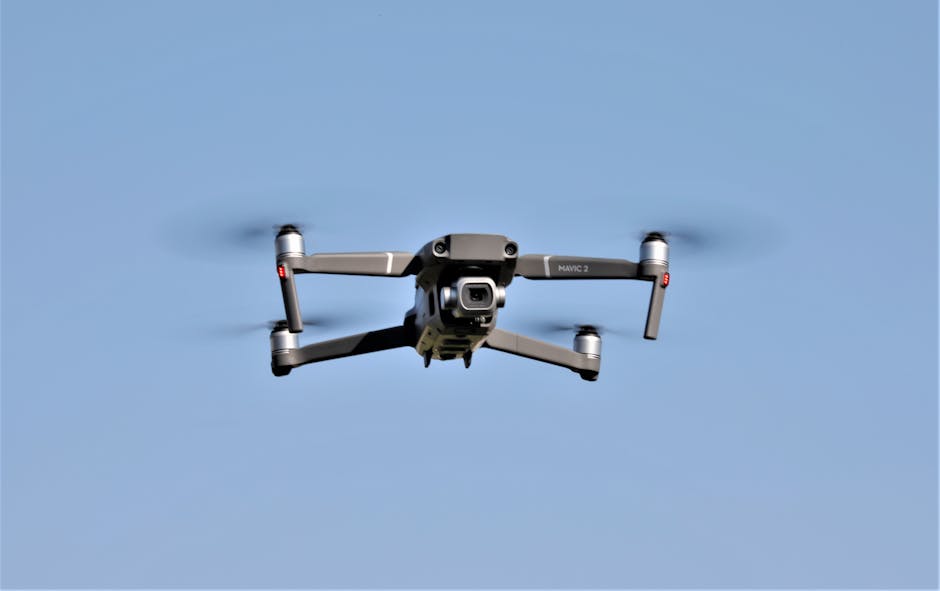
Founded in 2021, Helsing specializes in developing artificial intelligence-powered autonomous combat systems. The company has rapidly established itself in the defense technology sector, with its flagship HX-2 autonomous system already operational. According to the company, the HX-2 is able to combat artillery, armored and other military targets at ranges of up to 100 km.
Backing from Leading Global Investors
The funding round is led by Dragoneer, a prominent US-based growth equity investor, alongside Lightspeed Venture Partners, also from the United States. Additional investors participating in the round include Plural and Prima Materia, rounding out a syndicate of established institutional investors backing the ambitious deeptech venture.
This investment demonstrates significant confidence from major global investors in Helsing’s technology and market potential. The participation of multiple tier-one venture capital firms underscores the perceived opportunity within the autonomous defense systems market, particularly as geopolitical tensions continue to drive defense spending across Europe and NATO countries.
Growth in the Defense Deeptech Space
Helsing’s rapid ascent reflects broader trends within the European startup ecosystem, particularly the emergence of deeptech companies addressing critical infrastructure and defense challenges. The company’s focus on autonomous systems positions it at the intersection of artificial intelligence advancement and practical military applications—a sector attracting increasing attention and capital from both public and private sources.
The startup’s valuation jump comes as European defense budgets have increased substantially in recent years, driven by evolving security concerns. Germany, in particular, has significantly expanded its defense spending and has shown openness to supporting homegrown defense technology companies that can strengthen NATO capabilities and European strategic autonomy.
Broader Ecosystem Implications
Helsing’s achievement represents a significant moment for the German startup scene, which has produced several billion-dollar companies in recent years but few in the defense and autonomous systems space. The company’s success may catalyze further investment in European deeptech ventures focused on critical sectors, potentially establishing Germany and the broader European Union as competitive hubs for advanced defense technology development.
The funding also highlights how European startups are increasingly attracting capital from top-tier US investors, suggesting growing recognition of the continent’s ability to produce world-class technology companies even in traditionally capital-intensive and regulated sectors like defense.