
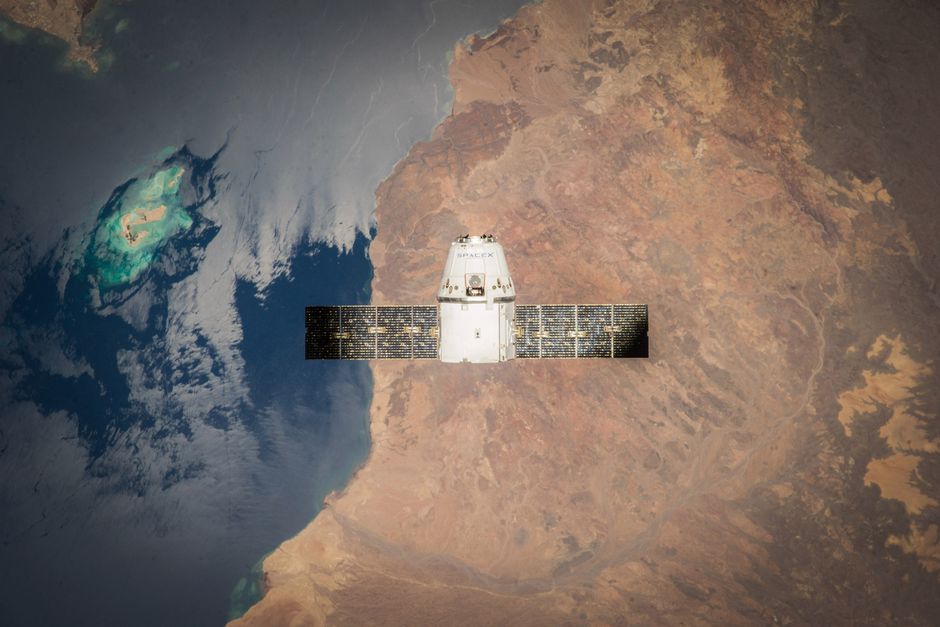
ICEYE, a Helsinki-based satellite technology company, has successfully launched four new synthetic aperture radar (SAR) satellites into orbit as part of SpaceX’s Transporter-17 mission. The deployment took place on July 7, 2026, from Vandenberg Space Force Base in California, marking another significant milestone for the Finnish growth-stage firm specializing in Earth observation capabilities.
Expanding the Satellite Network
The four satellites were integrated onto the SpaceX Falcon 9 rocket by Exolaunch, a specialized launch services provider that manages rideshare missions for multiple satellite operators. This approach allows smaller companies to access space more cost-effectively by sharing launch capacity with other organizations deploying satellites simultaneously.
The addition of these four satellites represents a continued expansion of ICEYE’s orbital constellation. The company operates SAR technology, which provides weather-independent and day-night imaging capabilities for applications including disaster response, infrastructure monitoring, and maritime surveillance. Unlike optical imaging systems that depend on clear weather and daylight conditions, SAR satellites can penetrate cloud cover and operate continuously, making them valuable for monitoring critical events and infrastructure regardless of atmospheric conditions.
Strategic Growth in Space Sector
The deployment underscores ICEYE’s position as a growing player in Europe’s commercial space sector. The Finnish company continues to scale its operations and expand its service offerings to customers across various industries. The company’s growth-stage status reflects its progression beyond early-stage development toward operational maturity and market expansion.
Transporter-17 serves as a dedicated rideshare mission designed specifically to accommodate multiple small to medium-sized satellite operators. This model has become increasingly important for the commercial space sector, democratizing access to orbit for companies that might not have sufficient satellite volumes to justify dedicated launch missions. By participating in shared missions, companies like ICEYE can maintain regular cadences for constellation growth and technological updates.
European Space Ecosystem Context
The launch reflects broader momentum within Europe’s space technology sector, where companies are increasingly developing indigenous satellite constellations for Earth observation and communication purposes. Finland has emerged as a notable hub for space innovation, building on its strong technology background and growing expertise in satellite systems. The successful deployment of ICEYE’s satellites demonstrates how European startups are establishing competitive positions in the global commercial space market, moving beyond traditional government-dominated space programs to create commercial value through advanced satellite technology.
The rideshare model exemplified by Transporter-17 has particularly benefited European space startups by reducing barriers to orbital access and enabling more frequent launches. As the European space sector continues developing alternatives to traditional launch providers, companies like ICEYE are positioning themselves to capture growing demand for Earth observation data across commercial and governmental applications.