
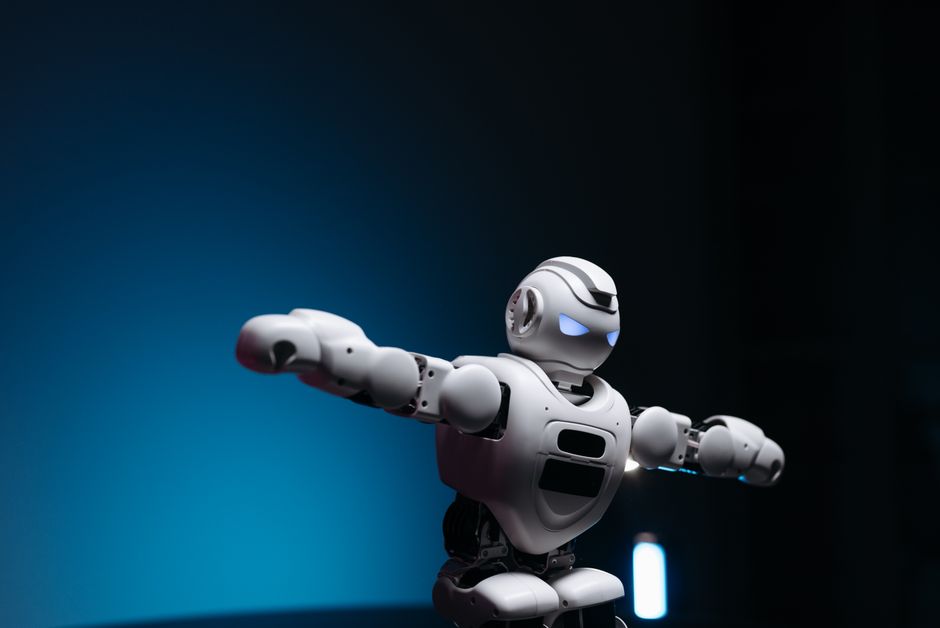
Ubtech Robotics, a Shenzhen-based robotics firm, has announced its entry into the European market with the launch of its humanoid robot U1, a device that emphasizes realistic appearance and conversational abilities while acknowledging substantial constraints in household automation.
The U1 robot represents the company’s push to establish itself as a key player in the humanoid robotics sector at a time when global interest in such technologies continues to accelerate. The device has already generated significant pre-order numbers, reflecting consumer curiosity around advanced robotics in Europe and beyond.
Realistic Design Meets Functional Reality
The robot’s primary selling point centers on its lifelike physical appearance and emotional simulation capabilities, features that Ubtech positions as addressing an underserved market need. According to Zhou Jian, “The unmet need for emotional interaction, estimated in the hundreds of millions, will support the early adoption of humanoid robots.” This statement reflects the company’s strategic focus on companionship and interactive experiences rather than pure task automation.
However, Ubtech has been transparent about the device’s limitations. The U1 encounters significant technical obstacles when tasked with complex household responsibilities, a reality that shapes expectations around its practical utility. This candid acknowledgment distinguishes the company’s approach from competitors prone to overpromising capabilities.
Positioning as Premium Product
The combination of realistic design, conversational abilities, and functional constraints has effectively positioned the U1 as a niche luxury product rather than a mainstream household device. The robot’s pricing strategy reflects this positioning, targeting affluent consumers and businesses willing to invest in cutting-edge technology despite its current limitations.
The European market expansion demonstrates Ubtech’s confidence in demand for humanoid robots beyond Asia, where the company has already established itself as a robotics pioneer. The strategy leverages the firm’s existing reputation and technical expertise as it navigates new regulatory environments and consumer preferences across the European continent.
Broader Market Context
Ubtech’s European entry occurs within a rapidly evolving robotics landscape. Other manufacturers globally are simultaneously pursuing humanoid robot development, creating competitive pressure alongside growing consumer and institutional interest. The realistic acknowledgment of technical limitations by an established firm like Ubtech may actually benefit market development by setting appropriate expectations for current-generation humanoid robots.
For the European startup ecosystem, Ubtech’s expansion signals that mature robotics companies view the region as a viable market for advanced automation technologies. While Ubtech itself is an established Chinese firm rather than a European startup, its market entry could stimulate local innovation and investment in robotics and artificial intelligence sectors across the continent. The presence of sophisticated robotics platforms may encourage European entrepreneurs to develop complementary solutions or specialized applications.