
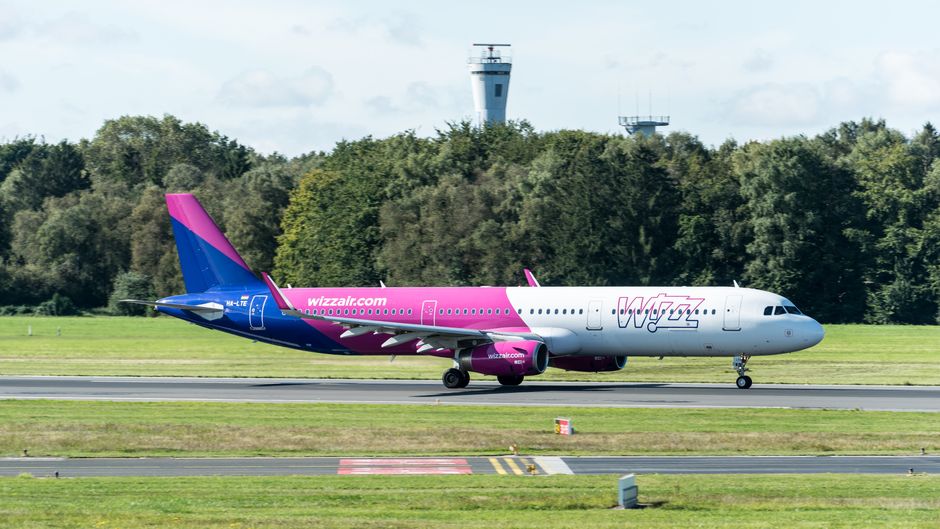
Wizz Air, the budget airline operator headquartered in Central Europe, has announced the launch of Wizz Holidays, a comprehensive holiday planning service designed to capture a larger share of the travel market by serving Polish tourists directly.
The new offering represents a strategic diversification for the low-cost carrier, extending its business model beyond flight operations into the broader holiday experience. Rather than limiting its role to transporting passengers, Wizz Air now aims to facilitate end-to-end vacation planning, packaging flights with accommodation, activities, and other travel services into integrated holiday packages.
Expanding the Wizz Air Business Model
The introduction of Wizz Holidays follows a pattern increasingly common among European airlines seeking to improve margins and customer lifetime value. By offering complete holiday solutions, Wizz Air positions itself in direct competition with established tour operators who have traditionally dominated package holiday sales in European markets.
Poland represents the primary target market for this new service, indicating the company’s confidence in domestic demand for holiday planning solutions. The Polish travel market has experienced significant growth as disposable incomes have risen, creating opportunities for new entrants willing to challenge incumbent tour operators.
The service demonstrates how contemporary airlines are responding to industry pressures by developing ancillary revenue streams. Rather than relying solely on ticket sales, carriers increasingly bundle additional services to enhance profitability and strengthen customer relationships.
Strategic Implications for the Travel Sector
Wizz Holidays enters a market where traditional tour operators have long held established relationships with consumers. However, the airline’s existing customer base, brand recognition among budget-conscious European travelers, and operational infrastructure provide competitive advantages as it enters this new segment.
The move reflects broader trends in the European travel industry, where digital platforms and aggregators continue reshaping how consumers book holidays. Airlines with strong brand presence and large passenger bases possess inherent advantages in this transition, as they can leverage their infrastructure and customer data to offer competitive holiday packages.
By offering integrated holiday solutions, Wizz Air can potentially increase customer engagement beyond transactional flight bookings, creating opportunities for repeat business and customer loyalty programs tied to complete holiday experiences rather than isolated flight purchases.
Broader European Startup Ecosystem Context
While Wizz Air operates as an established carrier rather than a startup, its Wizz Holidays launch exemplifies innovation strategies observed throughout the European travel and tourism technology sector. The expansion demonstrates how larger travel companies are adopting startup-like approaches to market entry, rapidly prototyping new services and targeting specific geographic markets before broader rollout.
The initiative also underscores the competitive pressures facing traditional tour operators, as digitally-native and tech-enabled travel companies continue fragmenting the holiday planning market. European travel startups and established players alike must innovate continuously to maintain relevance in an increasingly dynamic consumer environment.