
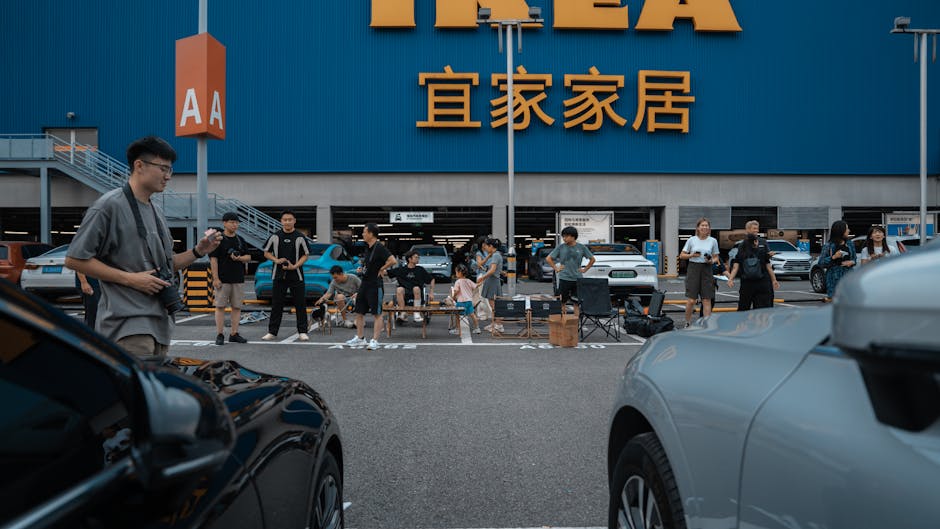
Inter Ikea Group has announced the elimination of 850 jobs globally as part of a broad organizational restructuring aimed at reducing complexity and operational costs. The Swedish furniture retailer, headquartered in Älmhult, will cut 300 positions in Sweden alone, with additional reductions distributed across its international operations.
The announcement comes as the company faces mounting pressure on its financial performance. Inter Ikea Group reported a 32% drop in net profit to 1.5 billion euros in fiscal year 2024/25, signaling challenging market conditions in the global retail sector. The job cuts represent management’s response to these headwinds and reflect a broader strategic shift toward operational efficiency.
Strategic Reorganization Underway
According to Henrik Elm, Chief Financial Officer, the restructuring addresses fundamental operational challenges. “Despite many positive achievements, the Inter Ikea Group has become too complex and fragmented in a retail environment that requires simplicity and speed,” Elm stated, highlighting the company’s recognition that its current organizational structure impedes rapid decision-making and competitiveness.
The reorganization initiative aims to achieve multiple objectives: reducing overall organizational complexity, lowering operational costs, and accelerating the pace of strategic decision-making. By streamlining its structure, the company hopes to enhance its ability to respond to market dynamics and ultimately deliver better value to customers through competitive pricing.
This restructuring effort follows a separate announcement from Ingka Group, another major division within the Ikea ecosystem, which disclosed 800 job reductions in March. The cumulative impact of these cuts underscores the scale of transformation underway across the organization.
Portugal Operations Affected
Within Europe, the impact extends to Portugal, where Ikea is implementing gradual structural updates to its management hierarchy and optimizing resource allocation. The company has committed to developing individual transition plans for employees affected by the reorganization, reflecting an effort to manage the human impact of the changes systematically.
European Retail Sector Context
The moves reflect broader challenges confronting European retailers in an increasingly complex operating environment. Large multinational furniture and home goods companies face pressure from e-commerce competitors, changing consumer preferences, and economic uncertainty across key markets. Ikea’s restructuring underscores how even established giants in the European retail landscape are reassessing their organizational models to maintain competitiveness.
The company’s focus on simplification and cost reduction mirrors patterns seen across the European consumer retail sector, where legacy organizations are working to become more agile and responsive. As the European startup ecosystem continues to evolve with nimble, digitally-native competitors, traditional retailers are being forced to recalibrate their operations to remain relevant in increasingly dynamic markets.